
Our Hair Treatments
Your Path to Healthier Hair and Skin Starts Here
Refine Your Look
Beard Transplant at Elation: Your Journey to a Fuller Beard
Ever wished your beard looked fuller, more even or better defined? Whether you're dealing with patchy growth, sparse cheeks or a beard that doesn't connect as you'd like, a beard transplant may help you move closer to your desired look. This surgical procedure involves transferring hair follicles, usually from the scalp, to areas of the face where additional beard coverage is needed.
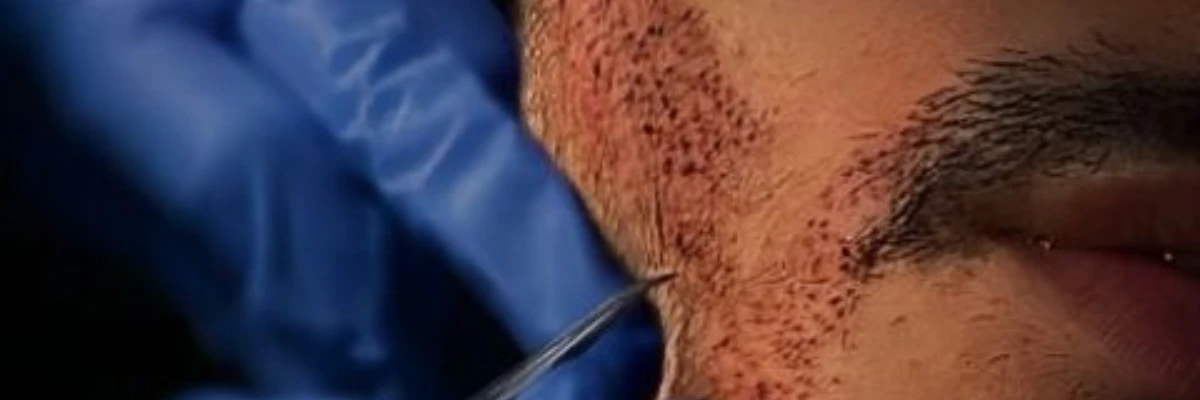
Your Beard, Your Style, Your Confidence
Why Choose Elation for Beard Transplant in Kolkata?
If you want to improve patchy cheeks, connect your moustache to your beard or create a more defined jawline, a beard transplant may help bring your desired look closer to reality.
- From filling sparse patches to improving overall coverage, your treatment plan is personalised as per your beard goals, facial structure and donor hair availability.
- Your beard outline, cheek line and jawline are carefully planned to complement your natural features and preferred beard style.
- Hair follicles are placed with consideration for their angle, direction and distribution to support a natural-looking beard pattern.
- Your specialist assesses your suitability, explains the transplant procedure and discusses realistic expectations, possible risks and recovery requirements before treatment.
- Your journey continues beyond the procedure, with aftercare guidance and follow-up reviews to help you understand the healing process and gradual development of your results.
Your Vision of a Fuller Beard Now Within Reach
Is a Beard Transplant Right for You?
A well-shaped beard can bring definition to your face and help you achieve the look that feels most like you. But what if patchy cheeks, uneven growth or stubborn gaps keep you from getting there? A beard transplant may offer a way to improve coverage by relocating hair follicles from a suitable donor area to areas where fuller growth is desired. Individuals usually consider a beard transplant for the following reasons.
- Tired of patchy beard growth
- Want a fuller, more masculine beard look
- Struggle with gaps in beard
- Want better definition around the jawline
- Have scars affecting beard growth
- Want a beard that suits their personal style
You can explore the procedure, understand recovery and discuss realistic outcomes before deciding whether beard transplantation is right for you.
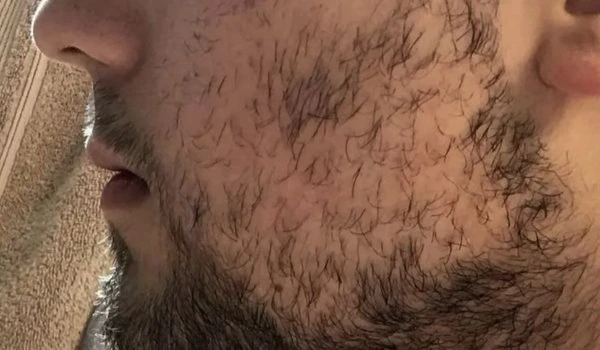
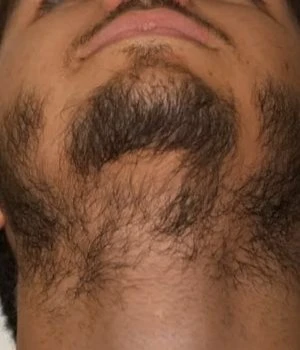
Your Beard Transformation, One Step at a Time
The Beard Transplant Journey at Elation
A fuller beard starts with a plan that understands your face, your growth pattern and the look you want to achieve. Whether you're looking to fill patchy cheeks, improve beard density or create a more defined outline, beard transplantation offers a personalised surgical approach to facial hair restoration.
-
Step
Share Your Beard Goals
Tell your specialist about patchy areas, uneven growth or gaps in your beard, along with the style and coverage you hope to achieve.
-
Step
Understand Your Beard Growth
Your specialist evaluates your existing facial hair, skin condition, donor hair availability and areas requiring additional coverage.
-
Step
Plan a Beard That Complements Your Face
The proposed outline, cheek contours, jawline coverage and moustache connection are planned around your facial proportions, natural hair pattern and preferred style.
-
Step
Take the Next Step Towards Fuller Coverage
Once your treatment plan is finalised, your specialist explains the transplant procedure, follicle placement, recovery process and potential risks. Hair follicles are carefully transplanted into the selected areas, with attention to their angle and direction to support a natural-looking growth pattern.
-
Step
Support Your Beard's Growth Journey
Following the recommended aftercare instructions and attending follow-up appointments can help monitor healing and progress.
Supporting Your Beard's Growth, Every Step of the Way
Beard Transplant Aftercare, Recovery & What Comes Next
Your beard transplant journey doesn't end when the procedure is complete. Proper aftercare, patience and follow-up guidance are important parts of the recovery process and help support the transplanted follicles as they settle and begin their growth journey. Here are a few important aspects of beard transplant aftercare:
- The transplanted area needs gentle care during the initial healing period. Follow the recommended instructions for cleaning, handling and protecting the treated skin.
- Mild redness, swelling, tenderness or small scabs may occur after the procedure. Avoid rubbing, scratching or disturbing the treated area.
- Transplanted hairs may shed during the initial weeks, which can be a normal part of the process. New growth generally develops gradually over the following months.
- Your specialist will advise you on washing your face, exercise, shaving and other activities based on your healing progress. Following this guidance helps you avoid unnecessary irritation.
- Periodic reviews allow your specialist to assess healing, monitor beard growth and address any concerns. These appointments also help you understand whether your progress is consistent.
Your Comfort & Care Come First
Risks & Safety Measures for a Beard Transplant
| Possible Risks | Safety Measures at Elation |
|---|---|
| Infection | We follow strict hygiene and sterilisation protocols to minimise infection risks during the procedure. |
| Swelling and Redness | We provide detailed aftercare instructions to help manage temporary swelling and redness. |
| Scarring | We use precise graft extraction and implantation techniques to minimise visible scarring. |
| Folliculitis | We recommend proper cleansing and post-procedure care to reduce the risk of inflamed hair follicles. |
| Uneven Beard Growth | We carefully plan graft placement, angle, and direction to achieve natural-looking beard growth. |
| Graft Failure | We assess donor hair quality and use careful graft handling techniques to improve graft survival. |
Experiences Shared by Our Patients
What Patients Say About Elation
Explore patient feedback about treatment experiences at our Ultadanga, Gariahat and Minto Park centres.
Answers to Your Concerns
Frequently Asked Questions
Curious about the procedure, recovery time or results you can expect? Explore these FAQs to clear your doubts and take the next step with confidence.
How many grafts are needed for a full beard transplant?
The number of grafts depends on your existing beard density, the extent of patchy growth and your desired coverage. Small gaps may require fewer grafts than a full beard restoration, so the exact number is determined during an individual assessment.
Is a beard transplant permanent?
Transplanted hair follicles can provide long-lasting growth, although results vary between individuals. The outcome depends on factors such as donor hair characteristics, healing, the underlying cause of hair loss and the progression of any existing hair conditions.
How long does it take to see results after a beard transplant?
Initial healing generally takes days to a few weeks, while transplanted hairs may shed during the early weeks. New growth typically becomes noticeable over the following months, with further improvement as the beard matures. The timeline varies from person to person.
Does a beard transplant leave scars on the face?
Beard transplantation can leave tiny marks in the recipient areas, while the donor area may also develop small scars. Their visibility depends on the extraction technique, healing response, skin characteristics and the skill of the treating professional.
Can you get a beard transplant if you have no facial hair?
A beard transplant may be possible even if you have very little natural facial hair, provided you have suitable donor hair and are medically appropriate for the procedure. A specialist must assess your donor area, skin condition and expectations before recommending treatment.