
Our Skin Treatments
Your Path to Healthier Hair and Skin Starts Here
Proven Solution for Scar Reduction
Scar Mark Removal: Restore Smoother, More Even-Looking Skin
Visible scars from acne, injuries, surgery or previous skin conditions can affect your skin's texture and appearance. Scar mark removal treatments aim to reduce the visibility of scars by improving uneven skin texture and supporting natural collagen remodelling. Depending on the scar type, depth and location, suitable options may include laser treatments, microneedling or other specialised procedures. With a personalised treatment approach, you can achieve gradual improvements in scar appearance, skin smoothness and overall skin texture.
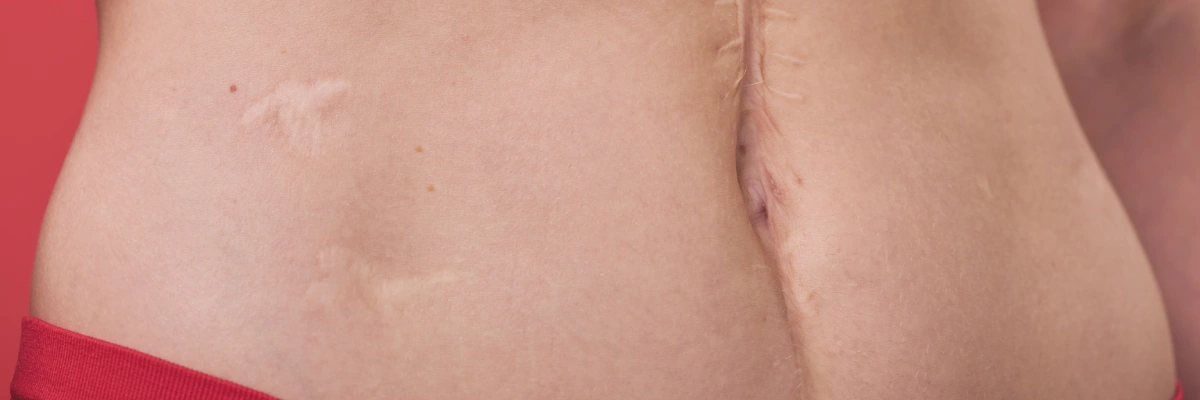
Scar Care & Skin Renewal
Why Choose Elation for Scar Mark Removal in Kolkata?
Every scar is different in its appearance, depth and effect on the surrounding skin. At Elation, scar mark removal focuses on understanding these differences before selecting an appropriate treatment. The approach aims to improve visible scarring, address textural irregularities and support long-term skin health while considering individual skin characteristics.
- The type, size, depth, age and location of scars are assessed to identify suitable treatment options.
- Depending on clinical assessment, treatment may address acne scars, surgical scars, injury-related scars and other visible scar concerns.
- Suitable procedures, including laser-based treatments and microneedling, may help improve uneven skin texture and stimulate collagen remodelling.
- Treatment planning considers your natural skin tone and the risk of pigmentation changes, particularly in darker skin types.
- Aftercare instructions, sun protection advice and follow-up assessments help support healing and monitor gradual improvements.
Move Towards Smoother Skin
Is Scar Mark Removal Right for You?
Some scars remain noticeable long after the original wound has healed. They may appear as depressed areas, raised patches or uneven skin surfaces. If you identify with any of the following signs, you can undergo this treatment.
- Depressed or pitted acne scars affecting skin texture
- Visible scars following surgery, injuries or minor accidents
- Raised or thickened scars that require specialised assessment
- Uneven skin texture caused by older scars
Want to reduce the appearance of stubborn scars? Consult our team eexplore suitable scar mark removal treatments based on your skin condition and treatment goals.
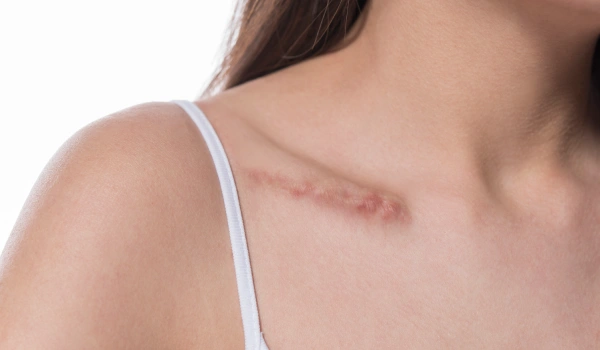
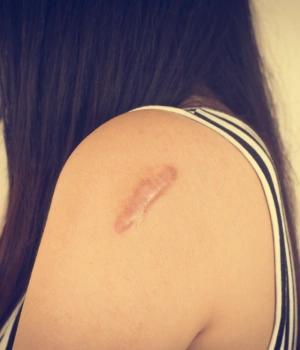
See the Difference Over Time
Before & After Scar Mark Removal

Treatment Pricing
Scar Mark Removal Cost in Kolkata
The cost of scar mark removal at Elation Hair & Skin Clinic in Kolkata ranges from ₹3,000 to ₹8,000 per session, depending on the scar type, severity and treatment approach. Our acne scar treatment services are available at our Ultadanga, Gariahat and Minto Park clinics. A consultation can help assess your scars, discuss suitable treatment options and estimate the number of sessions required.
From Visible Scars to Renewed Confidence
How Does Scar Mark Removal Work at Elation ?
Scar reduction is not simply about improving the skin's surface. Different scars require different techniques to address changes beneath the skin. At Elation, the process is designed to make scars less noticeable while preserving the health of the surrounding skin.
-
Step
Understanding Your Scar's History
The specialist discusses how and when the scar developed, previous treatments and any changes in its appearance. This helps identify factors that may influence treatment outcomes.
-
Step
Identifying the Underlying Skin Damage
The affected area is examined for collagen loss, tissue attachment, thickness and discolouration. This helps distinguish scars requiring resurfacing from those needing deeper correction.
-
Step
Choosing the Right Treatment Approach
Based on the findings, fractional laser treatment, microneedling, subcision or other suitable techniques may be recommended. Some scars benefit from a combination of procedures.
-
Step
Performing the Scar Reduction Procedure
The selected treatment targets the affected tissue. Depending on the technique, it may stimulate collagen production, improve uneven skin surfaces or release tissue pulling the skin downward.
-
Step
Supporting the Skin's Repair Process
Following treatment, the skin begins its natural repair process. Protective skincare and procedure-specific instructions help create suitable conditions for healing.
-
Step
Reviewing Scar Texture & Visible Changes
Improvements are assessed through follow-up examinations and, where appropriate, clinical photographs. Additional sessions may be planned according to the skin's response and remaining scar concerns.
The Healing Phase Matters
Scar Mark Removal Recovery Timeline & Aftercare Support
Scar reduction results develop over time rather than appearing immediately. Recovery depends on whether the procedure involves surface resurfacing, deeper tissue correction or collagen stimulation. Understanding normal healing changes helps you care for the treated area and recognise when medical attention may be necessary.
- Early Skin Response: Redness, mild swelling or tenderness may occur. Some treatments can also cause pinpoint bleeding or temporary sensitivity.
- Surface Healing: Depending on the procedure, the skin may feel dry, rough or slightly flaky. More intensive treatments may require a longer healing period.
- Prevent Unnecessary Skin Trauma: Avoid scratching, peeling loose skin or disturbing scabs. Allowing the treated surface to heal naturally helps reduce additional damage.
- Follow Procedure-Specific Skincare Advice: Use recommended cleansers, moisturisers and healing products. Restart makeup and active skincare ingredients only when advised.
- Watch for Unusual Skin Reactions: Increasing pain, spreading redness, pus or fever requires prompt medical assessment. Early attention can help prevent complications.
- Gradual Scar Improvement: Collagen remodelling continues after the initial healing phase. Changes in scar depth and texture may become more noticeable over time, although complete scar removal cannot be guaranteed.
Prioritising Skin Safety & Healing
Understanding the Safety and Risks of Scar Mark Reduction
| Possible Concerns | How They Are Managed |
|---|---|
| Prolonged redness after laser scar resurfacing | Adjusting laser intensity according to skin type and scar depth |
| Temporary bruising after scar subcision | Using controlled techniques to release scar tissue beneath the skin |
| Uneven improvement in deep or pitted scars | Selecting suitable techniques for ice-pick, boxcar and rolling scars |
| New scar formation or worsening of existing scars | Assessing scar characteristics and using appropriate treatment settings |
| Infection or delayed healing in treated areas | Maintaining sterile treatment conditions and providing specific wound-care instructions |
| Limited improvement after a single session | Monitoring collagen remodelling and planning additional sessions when necessary |
Experiences Shared by Our Patients
What Patients Say About Elation
Explore patient feedback about treatment experiences at our Ultadanga, Gariahat and Minto Park centres.
Answers to Your Concerns
Frequently Asked Questions
Curious about the procedure, recovery time or results you can expect? Explore these FAQs to clear your doubts and take the next step with confidence.
Which treatment is best for deep acne scars?
Deep acne scars may require subcision, fractional laser resurfacing, microneedling or combination treatments. The most suitable option depends on whether the scars are ice-pick, boxcar or rolling scars.
Can old scars be reduced with treatment?
Yes, even scars that developed years ago may respond to suitable treatments. However, older or deeper scars may require several sessions to achieve noticeable improvements.
Can scar mark reduction cause pigmentation changes?
Yes, certain procedures may cause temporary darkening or lightening of the treated skin. Proper treatment selection and sun protection help reduce this risk.
Is scar mark reduction suitable for all skin types?
Many scar treatments can be adapted for different skin types. However, darker skin tones may require additional precautions to minimise pigmentation-related complications.
Can raised scars and keloids be treated?
Yes, raised scars and keloids may be managed using treatments such as corticosteroid injections, silicone therapy or other specialised approaches. However, keloids can recur after treatment.