
Our Skin Treatments
Your Path to Healthier Hair and Skin Starts Here
Advanced Skin Exfoliation for a Healthier Glow
Chemical Peel Treatment: Reveal Smoother, Brighter-Looking Skin
Uneven skin tone, acne marks, pigmentation and dullness can affect your skin's natural appearance. Chemical peel treatment helps improve skin texture by gently exfoliating the outer layers of the skin and encouraging natural skin renewal. Depending on the type and strength of the peel, it can help reduce clogged pores, improve mild acne, fade superficial pigmentation and minimise the appearance of fine lines.
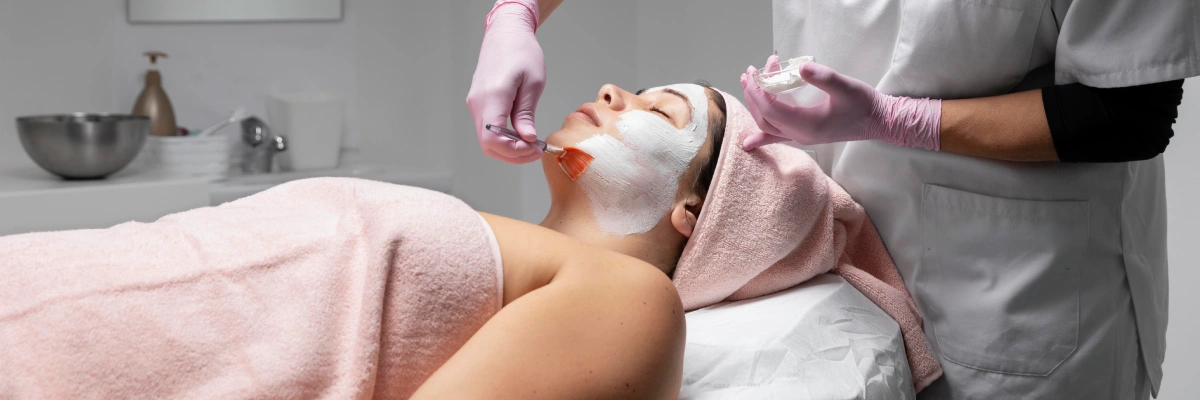
Thoughtful Skin Care, Visible Skin Refinement
Why Choose Elation for Chemical Peel Treatment in Kolkata?
Healthy-looking skin begins with understanding its unique needs. At Elation Hair & Skin Clinic, chemical peel treatments are planned to address concerns such as stubborn pigmentation, acne marks, uneven skin tone and rough texture.
- We assess your skin type, existing concerns, sensitivity and medical history to understand which chemical peel may be suitable for you.
- From superficial exfoliation to more intensive skin resurfacing, we recommend appropriate peel formulations and strengths.
- Chemical peels are performed with careful attention to application time, skin response and necessary precautions to reduce the risk of complications.
- Our chemical peel options can help improve the appearance of superficial pigmentation, post-acne marks, dullness, and signs of ageing.
- We provide clear instructions on sun protection, moisturisation, skincare restrictions and follow-up treatments to support healing.
Find the Right Solution for Your Skin
Is Chemical Peel Treatment Right for You?
Stubborn pigmentation, acne marks, dullness and uneven skin texture may not always improve with regular skincare products. Chemical peel treatment helps remove accumulated dead skin cells, promote skin renewal and improve overall skin appearance.
- Individuals experiencing uneven skin tone, dark spots and superficial pigmentation.
- People concerned about persistent acne marks and post-inflammatory discolouration.
- Those struggling with dull, rough or tired-looking skin despite regular skincare.
- Individuals looking to improve fine lines, uneven texture and early signs of skin ageing.
- People dealing with clogged pores, blackheads, whiteheads and excess oil production.
Concerned about pigmentation, acne marks or uneven skin texture? Consult the specialists at Elation Hair & Skin Clinic to find out whether chemical peel treatment is suitable for your skin.


An Approach to Skin Renewal
Your Chemical Peel Treatment Journey at Elation
At Elation Hair & Skin Clinic, chemical peel treatment follows a carefully planned process to improve skin tone, texture and overall appearance. From selecting the appropriate peeling solution to monitoring skin recovery, every stage focuses on controlled exfoliation, skin safety and gradual improvement.
-
Step
Skin Consultation & Suitability Check
Your medical history, skin sensitivity and current skincare products are reviewed to assess whether chemical peeling is appropriate.
-
Step
Choosing the Right Chemical Peel
A suitable peeling agent, such as glycolic acid, salicylic acid or lactic acid, may be selected based on your skin concerns.
-
Step
Pre-Peel Skin Preparation
Before the procedure, your skin is prepared to ensure even application of the peeling solution. You may also be advised to temporarily discontinue certain skincare ingredients.
-
Step
Controlled Chemical Peel Procedure
The selected peeling solution is applied carefully to the treatment area for a specific duration. Your skin's response is monitored throughout the procedure.
-
Step
Skin Recovery & Aftercare
Following the peel, your skin may experience temporary redness, dryness, tightness or flaking. Appropriate moisturisers, gentle skincare and strict sun protection are recommended.
-
Step
Results Evaluation & Maintenance
As your skin recovers, improvements in texture, brightness and superficial pigmentation may gradually become noticeable. Your progress is reviewed to to maintain the results through suitable skincare.
Gentle Care for Renewed Skin
Chemical Peel Recovery Timeline & Aftercare Support
The recovery period following a chemical peel depends on the type, strength and depth of the peel, along with your skin's sensitivity. Understanding the recovery process and following recommended aftercare instructions can help protect your skin, reduce complications and support optimal treatment results.
- Initial Skin Response: Mild redness, warmth, tightness or sensitivity may develop shortly after the procedure. These effects generally settle within a few days, although recovery varies.
- Natural Peeling & Skin Renewal: Depending on the peel's depth, flaking or visible peeling may begin within a few days. Allow the skin to shed naturally without pulling loose skin.
- Keep Your Skin Hydrated: Apply a gentle moisturiser or recommended healing product to relieve dryness, maintain hydration and support the skin's protective barrier during recovery.
- Prioritise Sun Protection: Avoid unnecessary direct sun exposure and use broad-spectrum SPF 30 or higher sunscreen as advised. Newly treated skin is more vulnerable to pigmentation changes.
- Pause Active Skincare Ingredients: Avoid retinoids, exfoliating acids, scrubs and other potentially irritating products until your specialist confirms that your skin has recovered.
- Track Healing & Treatment Results: Improvements in skin smoothness and appearance develop as healing progresses. Attend recommended follow-up appointments to assess recovery.
Prioritising Skin Safety at Every Step
Understanding the Safety and Risks of Chemical Peels
| Possible Concerns | How They Are Managed |
|---|---|
| Redness and swelling | Appropriate peel selection, skin monitoring and post-treatment care. |
| Dryness, tightness and peeling | Gentle moisturisation and guidance on allowing the skin to heal naturally |
| Temporary burning or stinging | Careful control of peel concentration, application time and skin response |
| Post-inflammatory hyperpigmentation | Skin type assessment, suitable peel strength and strict sun protection |
| Skin irritation or sensitivity | Avoiding harsh skincare ingredients and following a gentle recovery routine |
| Infection or scarring (rare) | Proper treatment techniques, hygiene precautions and timely management of complications |
Experiences Shared by Our Patients
What Patients Say About Elation
Explore patient feedback about treatment experiences at our Ultadanga, Gariahat and Minto Park centres.
Answers to Your Concerns
Frequently Asked Questions
Curious about the procedure, recovery time or results you can expect? Explore these FAQs to clear your doubts and take the next step with confidence.
Is chemical peel treatment suitable for all skin types?
Chemical peels can be suitable for different skin types, but the formulation and strength must be selected carefully. A professional skin assessment helps determine the most appropriate treatment, particularly for sensitive or pigmentation-prone skin.
Can chemical peels help reduce acne marks and pigmentation?
Yes, certain chemical peels can help improve superficial acne marks, dark spots and uneven skin tone. However, results depend on the type and depth of pigmentation, peel formulation and individual skin response.
How many chemical peel sessions are needed for visible results?
The number of sessions depends on your skin concerns, treatment goals and the type of peel used. While some improvement may be noticeable after one session, multiple treatments may be recommended for pigmentation, acne marks or uneven texture.
Can chemical peels help with active acne?
Certain chemical peels, particularly those containing salicylic acid, may help manage mild acne by reducing pore congestion and excess oil. However, chemical peels may not be suitable for every type of acne and should be selected after a skin assessment.
Can chemical peels be performed during pregnancy?
Certain chemical peel ingredients may not be recommended during pregnancy. Always inform your specialist if you are pregnant, breastfeeding or planning a pregnancy so that treatment suitability can be assessed.