
Our Hair Treatments
Your Path to Healthier Hair and Skin Starts Here
Build Your Confidence
Chest Hair Transplant: Restore Density and Definition
A well-defined chest can complement your overall appearance and enhance your natural physique. If you have sparse chest hair, uneven growth, or hairless patches caused by genetics, scarring or injury, a chest hair transplant may help improve coverage and density. The procedure involves transferring healthy hair follicles, usually from the scalp, to the chest area. Each follicle is carefully placed to follow the natural direction, angle and distribution of chest hair, creating a fuller and more natural-looking appearance.
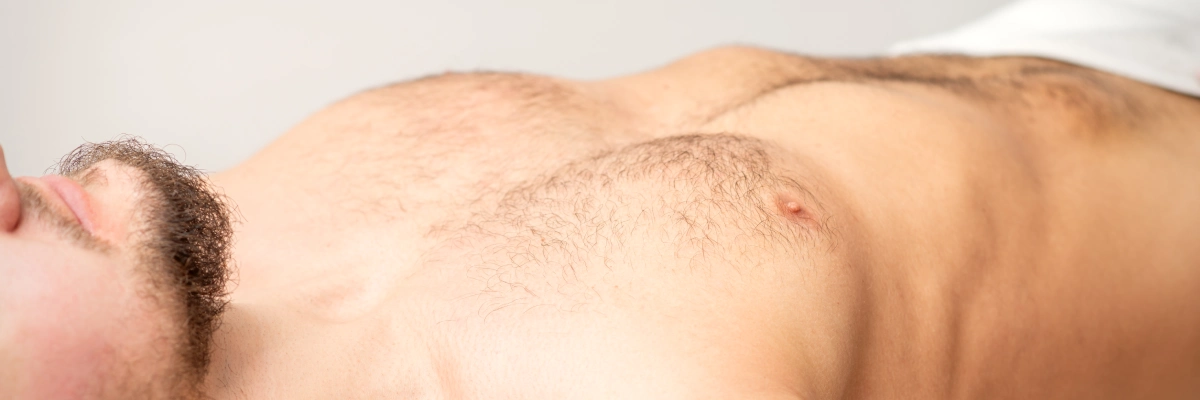
Bringing Balance, Density and Definition Together
Why Choose Elation for Chest Hair Transplant in Kolkata?
At Elation, each procedure is customised to complement your natural chest hair pattern, body proportions and desired appearance.
- The chest area is assessed to understand existing hair distribution and coverage requirements.
- Donor hair is evaluated to determine follicle availability and suitability for transplantation.
- Hair angle, direction and density are considered to create a natural-looking chest hair pattern.
- Graft placement is customised to blend with existing chest hair and achieve balanced coverage.
- Post-procedure care guidance and follow-up consultations help monitor healing and support hair growth.
Fuller Chest, Renewed Confidence
Is a Chest Hair Transplant Right for You?
Chest hair can contribute to your overall physique and personal appearance. If your chest has sparse growth, visible gaps or areas with little to no hair, a chest hair transplant may help achieve a fuller, more defined look using your own healthy hair follicles. The procedure is customised to your natural hair pattern, chest proportions and desired coverage. Here are some factors that make one the right fit for the procedure.
- Naturally sparse or thin chest hair
- Uneven or patchy chest hair growth
- Areas with little to no chest hair
- Hair loss due to scars, burns or injuries
- A desire for fuller chest hair density
- Sufficient healthy donor hair for transplantation
Looking to achieve a fuller, more defined chest hair pattern? Book a consultation at Elation to assess your suitability and explore a personalised chest hair restoration plan.
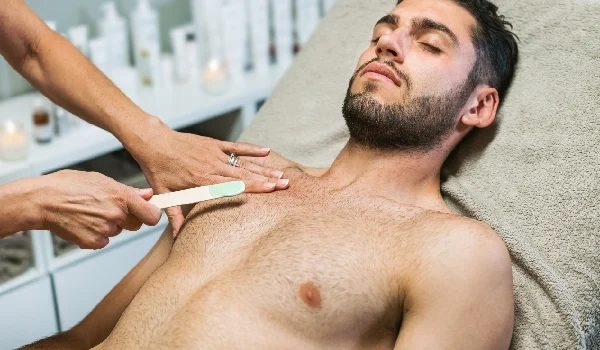
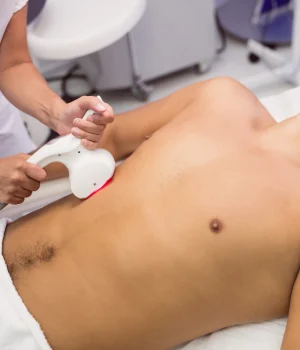
Natural Chest Hair Restoration Journey
Your Chest Hair Transplant Journey at Elation
Chest hair transplantation requires careful attention to hair distribution, body contours and natural growth direction. At Elation, the procedure focuses on restoring hair coverage in sparse or hairless areas while maintaining a natural-looking appearance.
-
Step
Understanding Your Chest Hair Concerns
Your consultation begins with identifying areas of patchy, uneven or absent chest hair. The specialist examines your chest skin, existing hair distribution and possible reasons for reduced hair growth.
-
Step
Evaluating Suitable Donor Hair
Your specialist evaluates donor hair thickness, texture and growth characteristics to determine how well it may blend with your existing chest hair.
-
Step
Mapping Natural Chest Hair Coverage
The specialist maps the intended coverage areas and plans graft placement to follow your chest contours, existing hair pattern and preferred density.
-
Step
Transplanting Hair Follicles to the Chest
Selected follicles are extracted using an appropriate technique and implanted into the planned areas of your chest.
-
Step
Protecting the Chest During Healing
Your specialist provides guidance on clothing, bathing, sleeping positions and when you can safely resume exercise.
-
Step
Monitoring New Hair Growth & Results
Some transplanted hairs may shed during the initial weeks before new growth begins. Hair coverage develops gradually over several months, while follow-up visits help assess graft growth, chest hair density and overall progress.
Healing After Chest Hair Transplant
Chest Hair Transplant Recovery Timeline & Aftercare Support
Recovery after a chest hair transplant depends on your skin condition, the number of grafts implanted and your body's healing response. Proper aftercare helps protect newly transplanted follicles, minimise irritation and support healthy hair growth.
- Mild redness, swelling, tenderness or tiny scabs may develop across the treated chest area. These usually improve gradually during early recovery.
- Wear loose, comfortable clothing to minimise friction against the transplanted chest area. Avoid scratching, rubbing or applying unapproved skincare products.
- Follow your specialist's instructions on when and how to wash your chest. Use recommended cleansing methods without applying direct pressure to the implanted follicles.
- Limit heavy lifting, intense workouts, chest exercises and activities causing excessive sweating until your specialist advises that they are safe.
- Some implanted hairs may shed within the first few weeks. New hair growth typically begins over the following months, with visible coverage developing gradually.
- Attend scheduled appointments to assess skin recovery, monitor graft survival and evaluate the developing chest hair coverage.
Your Well-being Matters
Understanding the Possible Risks of a Chest Hair Transplant
| Possible Concerns | How They Are Managed |
|---|---|
| Skin redness and inflammation | Following recommended skin care practices and monitoring the treated chest area during healing. |
| Chest sensitivity or soreness | Using prescribed medication, avoiding pressure on the chest and wearing comfortable clothing. |
| Folliculitis or infection | Maintaining proper hygiene, following cleansing instructions and seeking timely medical attention if signs of infection develop. |
| Scarring at donor or recipient sites | Careful donor-site selection, suitable extraction methods and appropriate graft placement techniques. |
| Uneven chest hair distribution | Planning graft density and positioning according to existing chest hair patterns and body contours. |
| Unsuccessful graft growth | Assessing donor hair quality, using careful follicle handling techniques and setting realistic expectations about hair survival. |
Experiences Shared by Our Patients
What Patients Say About Elation
Explore patient feedback about treatment experiences at our Ultadanga, Gariahat and Minto Park centres.
Answers to Your Concerns
Frequently Asked Questions
Curious about the procedure, recovery time or results you can expect? Explore these FAQs to clear your doubts and take the next step with confidence.
Can a chest hair transplant help cover scars, burns or patches on the chest?
Yes, a chest hair transplant may help improve the appearance of certain scars, burn marks or hairless patches by implanting healthy follicles into suitable areas. However, the success of transplantation depends on the condition of the scar tissue, blood supply and skin health. A specialist assessment is necessary to determine suitability.
Where are hair follicles taken from for a chest hair transplant?
Hair follicles are generally extracted from the scalp, particularly the back or sides, where hair growth is usually more stable. The donor area is assessed to determine whether it has sufficient healthy follicles for transplantation.
Does a chest hair transplant look and feel natural?
A chest hair transplant can create a natural-looking appearance when follicles are placed carefully, following the natural direction, angle and distribution of existing chest hair. However, the final appearance depends on hair characteristics, skin condition, graft survival and individual healing.
How long does it take for transplanted chest hair to grow?
Transplanted hair may initially shed within the first few weeks, which is a normal part of the hair growth cycle. New growth generally begins over the following few months, with visible improvement developing gradually. Final results may take around 9–12 months or longer, depending on individual growth patterns.
Is chest hair transplant painful, and how long is the recovery period?
The procedure is generally performed under local anaesthesia, which helps minimise discomfort during treatment. Mild swelling, redness, tenderness or scabbing may occur after the procedure. Initial healing usually takes around 7–14 days, although complete recovery and hair growth take longer.