
Our Hair Treatments
Your Path to Healthier Hair and Skin Starts Here
Define Your Signature Look
Moustache Transplant: Restore Definition and Density
A fuller moustache can add balance, definition and character to your facial features. If you have sparse growth, uneven density or gaps that affect the way your moustache looks, a moustache transplant may offer a natural-looking solution. The procedure involves carefully transferring hair follicles to areas where additional coverage is needed, with attention to hair direction, density and facial proportions for a result that blends naturally with your existing growth.
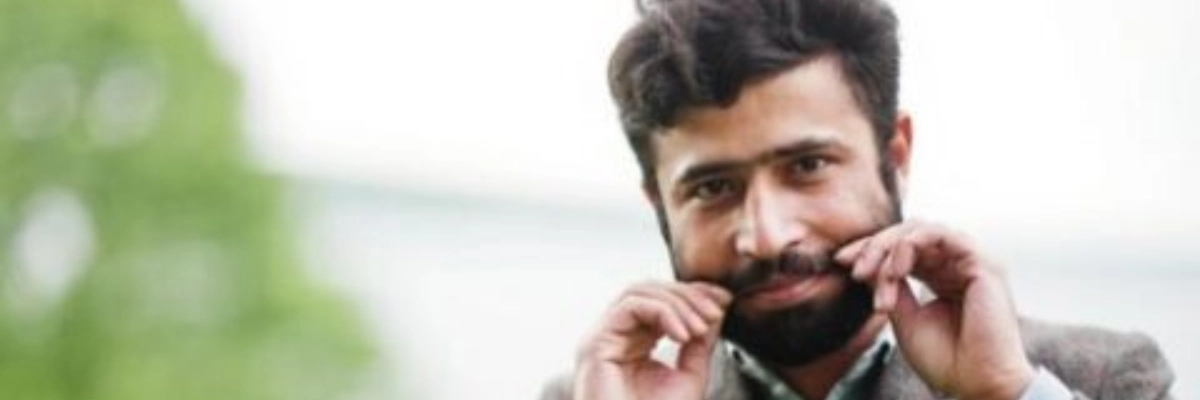
Crafted for a Natural Finish
Why Choose Elation for Moustache Transplant in Kolkata?
A moustache transplant requires more than adding hair—it requires careful planning to achieve natural density, direction and facial balance. At Elation, every treatment is personalised to your facial features and restoration goals.
- Personalised assessment of moustache growth, facial structure and donor hair availability.
- Natural-looking placement with attention to hair direction, angle and density.
- Individualised treatment planning based on your desired moustache shape and coverage.
- Careful graft placement to help the transplanted hair blend seamlessly with existing growth.
- Guided aftercare and follow-up to support healing and the growth of transplanted follicles.
A Journey to a More Confident Self
Is a Moustache Transplant Right for You?
A moustache transplant may be suitable for people with sparse, uneven or limited moustache growth. However, suitability depends on your facial hair pattern, donor hair availability and the look you want to achieve. Signs you need a moustache transplant are mentioned here.
- Sparse or thin moustache growth
- Patchy or uneven areas
- Gaps in moustache growth
- Poor or limited natural moustache density
- Moustache hair loss following injury or scarring
- Availability of healthy donor hair
Want to know what’s possible for your moustache? Book a consultation and discover the right approach for you.


What to Expect
Your Moustache Transplant Journey at Elation
From your first consultation to post-procedure follow-up, every stage of your moustache transplant journey is planned around your facial features and restoration goals.
-
Step
Consultation & Facial Hair Assessment
Your existing moustache growth, facial structure, donor hair availability and desired moustache shape are evaluated.
-
Step
Personalised Treatment Planning
Your specialist discusses the suitable transplant approach, estimated graft requirement and expected coverage.
-
Step
Moustache Design & Graft Planning
The shape, density and outline of your moustache are planned carefully, with attention to facial proportions.
-
Step
Moustache Transplant Procedure
Healthy hair follicles are harvested from the donor area and carefully implanted into the targeted moustache region.
-
Step
Post-Procedure Care & Guidance
You receive instructions on caring for the transplanted area, managing temporary sensitivity and following recommended precautions.
-
Step
Gradual Growth & Follow-Up
Visible results develop gradually over the following months, with follow-up appointments to monitor progress and healing.
Care Beyond the Procedure
Recovery Timeline and Aftercare Support
Your beard transplant journey doesn't end when the procedure is complete. Proper aftercare, patience and follow-up guidance are important parts of the recovery process and help support the transplanted follicles as they settle and begin their growth journey. Here are a few important aspects of beard transplant aftercare:
- Follow your surgeon’s recommended cleaning routine and use prescribed products to keep the transplanted moustache area clean and support proper healing.
- Avoid washing, rubbing or styling your moustache until your surgeon advises it is safe. Clean the area gently to prevent dislodging newly transplanted grafts.
- Avoid scratching, picking scabs or applying pressure to the transplanted area. Follow your surgeon’s instructions regarding shaving, physical activities and sun exposure.
- Attend scheduled follow-up appointments to monitor healing and hair growth. Temporary shedding of transplanted hairs is common before new growth begins over the following months.
- If you experience increasing redness, persistent swelling, severe pain, unusual discharge or other concerning symptoms, contact your surgeon promptly for appropriate evaluation and care.
Careful Planning, Informed Decisions
Understanding the Safety and Risks of Moustache Transplant
| Possible Concerns | How They Are Managed |
|---|---|
| Redness and swelling | Appropriate post-procedure care and recovery guidance |
| Temporary sensitivity | Gentle handling of the treated area and personalised aftercare |
| Ingrown hair | Guidance on cleansing and caring for the transplanted area |
| Visible scarring | Careful donor-area assessment and appropriate extraction techniques |
| Uneven hair direction | Strategic graft placement following the natural moustache growth pattern |
| Delayed or limited growth | Realistic expectations, follow-up assessments and specialist guidance |
Experiences Shared by Our Patients
What Patients Say About Elation
Explore patient feedback about treatment experiences at our Ultadanga, Gariahat and Minto Park centres.
Answers to Your Concerns
Frequently Asked Questions
Curious about the procedure, recovery time or results you can expect? Explore these FAQs to clear your doubts and take the next step with confidence.
Is a moustache transplant painful?
Local anaesthesia is generally used during the procedure to minimise discomfort. Some tenderness, swelling or sensitivity may occur during the initial recovery period.
How long does it take to see moustache transplant results?
Initial healing occurs over the first few weeks, while visible hair growth develops gradually over several months. Final results may take around 9–12 months, depending on individual healing and growth patterns.
Will transplanted moustache hair grow like normal facial hair?
Transplanted hair can grow like other hair, but its texture and growth characteristics may initially reflect the donor area. Periodic trimming and grooming may be necessary.
Are there any side effects of a moustache transplant?
Temporary redness, swelling, tenderness, scabbing and itching may occur. Less common complications include infection, scarring, ingrown hairs or poor graft survival.
Can you shave or trim your moustache after a transplant?
The transplanted area needs time to heal before shaving or trimming. Follow your specialist's instructions regarding when it is safe to resume grooming.