
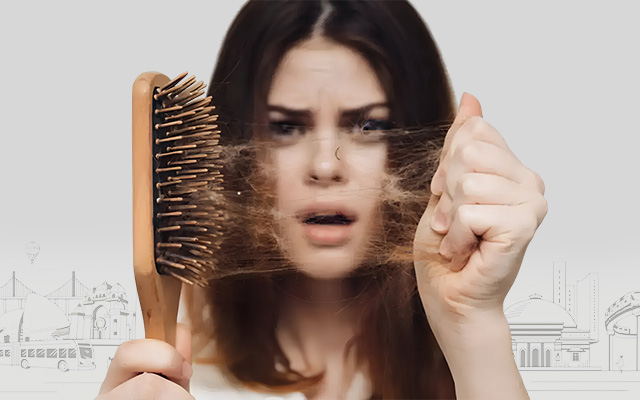
Noticing that your hair feels rough, no matter what you do? It’s not just the products, it’s the water.
Most of us try to maintain our hair by oiling and using shampoo, conditioner, and other hair care products. But still experiencing hair fall and fizzy hair. It’s due to the water we are using.
Hard water in Kolkata, which contains high levels of minerals like calcium, magnesium, and iron, can cause significant hair damage. These minerals build up on the hair shaft, making it dry, brittle, dull, and prone to breakage and frizz.
To help you understand this better, this blog will outline how hard water affects hair and scalp health. It explains common signs of damage and shares practical ways to manage hair problems caused by daily water exposure.
How Hard Water Affects Your Hair in Daily Life
Hard water contains minerals that can leave hair feeling rough after washing. These minerals slowly build up on the scalp and hair strands. Over time, this buildup affects hair quality and scalp comfort.
A 2016 study observed hair samples washed for 30 days using hard water and distilled water. The study, which involved 15 female participants, showed that hair exposed to hard water experienced noticeably more damage compared to hair washed with distilled water. (Source)
Daily signs people often observe
- Hair feels rough even after being oiled or conditioned.
- Hair fall increases during washing or combing.
- The scalp feels tight, itchy, or uncomfortable.
- Hair looks dull and lifeless throughout the day.
These are common effects of hard water on hair that often go ignored.
Common Hair Problems Linked to Hard Water
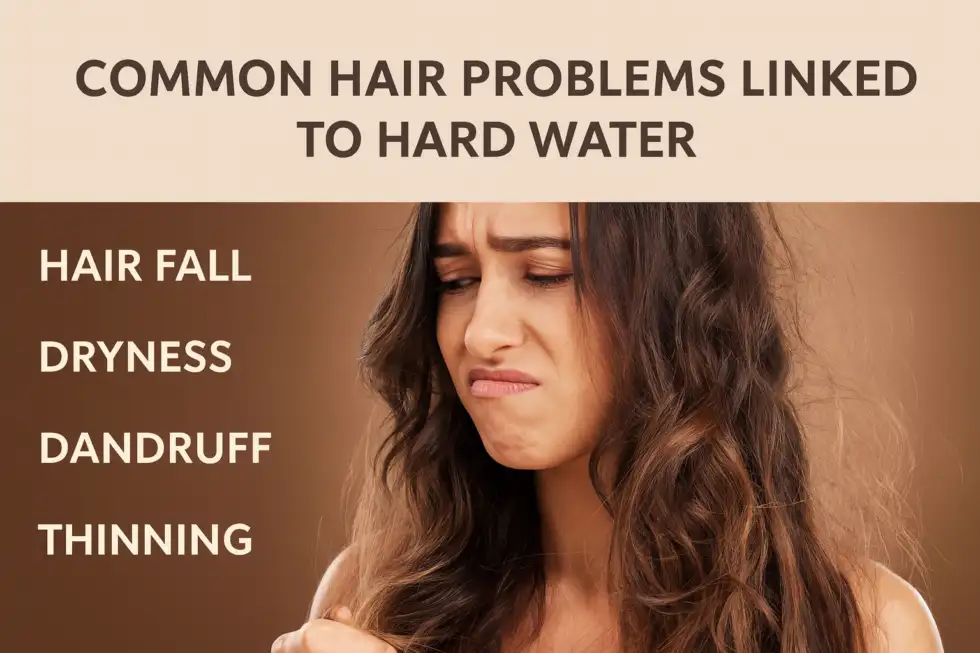
Isn’t it frustrating when you spend time conditioning your hair, yet it still feels dry?
Hard water affects hair gradually, which is why many people don’t notice the damage early. Over time, mineral buildup on the scalp and hair strands leads to visible problems that regular shampoos cannot fix. These issues often worsen in hard-water areas like Kolkata.
Some of the most common problems include
- Hard water hair fall
Minerals weaken hair roots, which leads to increased shedding and breakage. - Dry and rough hair texture
Loss of moisture makes hair stiff, coarse, and difficult to manage. - Hard water causes dandruff and hair issues
Mineral build-up dries the scalp and causes flaking and itching. - Increased frizz and tangling
Hair becomes harder to style and does not stay smooth for long. - Scalp irritation
Mild itching or discomfort may develop with regular exposure to hard water.
How hard water affects hair over time
This chart might give you a clearer picture. Hard water doesn’t just cause temporary issues it leads to lasting damage that requires more than just a shampoo change.
| Hard Water Effect | Impact on Hair |
| Mineral build-up | Hair becomes rough and dry |
| Blocked moisture | Hair loses softness and shine |
| Weak hair roots | Hair fall increases gradually |
| Dry scalp | Dandruff and itching appear |
| Poor cleansing | Hair looks dull after washing |
The following medical treatments are commonly used to manage hair damage caused by hard water:
- Scalp Detox and Deep Cleansing Treatment
This treatment is designed to remove calcium and mineral buildup caused by hard water. It deeply cleans the scalp, unclogs hair follicles, and prepares the scalp for healthy hair growth.
- Medicated Anti-Hair Fall Therapy
After detox, medicated solutions are applied to reduce hair fall, control scalp irritation, and strengthen weak hair roots affected by prolonged exposure to hard water.
- Hydration and Scalp Repair Therapy
Hard water strips the scalp of natural moisture. Hydration therapies help restore moisture balance, reduce dryness, and improve overall scalp comfort.
- Hair Strengthening and Follicle Support Treatments
These treatments improve hair thickness, reduce breakage, and support healthier hair regrowth once mineral buildup is cleared.
- Personalised Treatment Planning
Treatment frequency and combination are decided based on scalp condition, severity of damage, and daily water exposure, ensuring better long-term results.
Key takeaway
Hard water hair problems require scalp-level medical treatment, not just shampoos or oils. Once mineral buildup is removed, hair treatments begin to work effectively.
Why Oils, Shampoos, and Home Remedies Don’t Fully Help
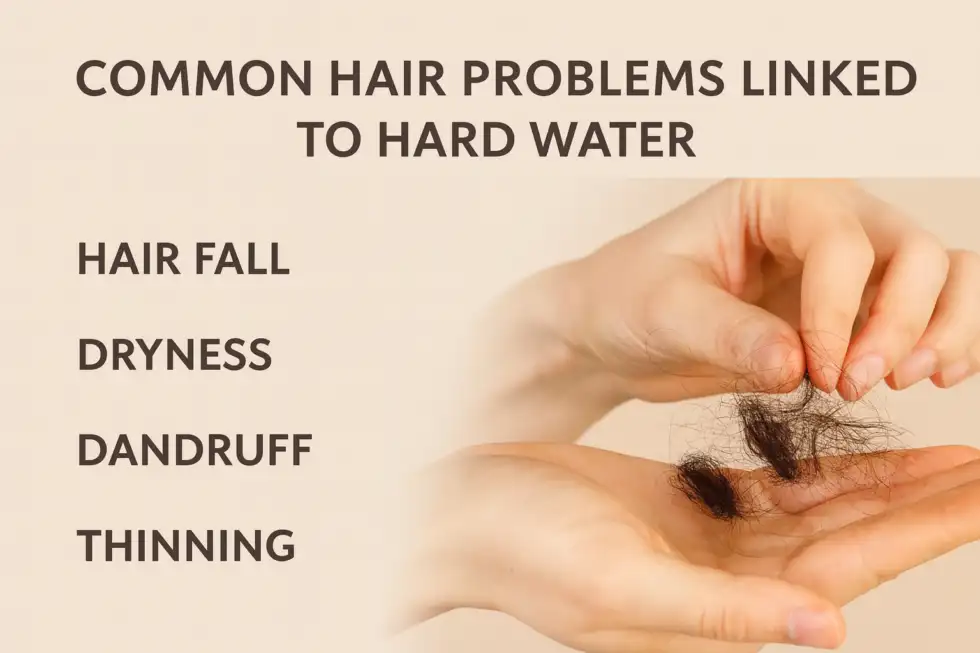
Many people try oils, new shampoos, and home remedies first, hoping hair problems will settle on their own. While these may give short-term relief, they fail to address the real issue caused by hard water.
But why doesn’t this work? Let’s break it down:
- Oils trap mineral buildup on the scalp
When oil is applied to a mineral-coated scalp, it locks in calcium deposits rather than removes them, making the scalp heavier and more congested. - Regular shampoos can’t remove hard water residue
Most shampoos clean dirt and oil, but they are not strong enough to break down mineral buildup left by hard water. - Home remedies only soothe, not repair
Ingredients such as curd, aloe vera, or eggs may temporarily soften hair, but they do not unclog blocked hair follicles or restore scalp balance. - Temporary smoothness creates false confidence
Hair may feel better for a day or two, but the underlying damage continues silently. - Delay in proper treatment worsens hair damage
Relying solely on home remedies often delays medical care, allowing hair thinning and scalp irritation to worsen.
What Actually Helps in Managing Hard Water Hair Issues
Are you ready to give your hair the treatment it really deserves?
Managing hair affected by hard water requires consistency and care. Quick fixes usually do not work in the long run.
Steps that help support hair recovery
- Following gentle hair washing habits
- Avoiding excessive washing and harsh rubbing
- Using suitable hair care products consistently
- Keeping the scalp clean and healthy
- Maintaining proper hydration and nutrition
These steps support hair health but may not be enough on their own. Every scalp reacts differently to hard water exposure.
Extra care may be needed when
- Hair fall continues despite regular care
- Dandruff keeps returning repeatedly
- Hair texture worsens over time
In such cases, visiting Elation Hair & Skin Clinic, a reliable hair treatment clinic in Kolkata, allows timely evaluation and personalised care for hard water–related hair issues.
Hard Water Hair Loss Solutions That Work Long Term
A reliable hard-water hair-loss solution focuses on scalp health first. It avoids guesswork and frequent product switching.
A professional approach usually involves
- Understanding the scalp condition clearly
- Identifying mineral build-up and dryness
- Creating a personalised treatment plan
- Improving hair health gradually and safely
Hair fall reduces slowly with correct care. Scalp health improves before visible changes in hair quality.
Short-term fixes vs long-term solutions
| Short-Term Fix | Long-Term Solution |
| Frequent shampoo changes | Personalised scalp care |
| Heavy oiling | Root-focused treatment |
| Online advice | Doctor-guided planning |
| Temporary relief | Sustainable improvement |
Take Control Before Hair Damage Worsens
Hard water hair damage often builds quietly over time. Hair fall, dryness, and dandruff may feel normal at first, but they are signs worth noticing.
The effects of hard water on hair usually cannot be fixed with random shampoos or home remedies. Understanding the real cause makes treatment more effective and less stressful.
At Elation Hair & Skin Clinic, doctors take the time to carefully study the scalp and hair condition. This helps create solutions that suit daily water exposure and individual hair needs.
If hair problems continue despite regular care, visiting a trusted hair treatment clinic in Kolkata can help bring clarity. Call +91 9830085599 today.
People Also Ask (FAQs)
- Does hard water cause hair fall?
Hard water leaves mineral layers on the scalp, which weaken hair roots. This often leads to increased hair fall over time.
- What are common hard water hair problems?
Hair becomes dry, rough, and difficult to manage. Dandruff and scalp irritation are also common.
- Can hard water cause dandruff in hair?
Mineral build-up dries the scalp and increases flaking. This results in persistent dandruff and itching.
- Does changing shampoo help with hard-water hair damage?
Shampoo changes may reduce dryness temporarily. The main hard-water issue often persists.
- When should professional help be considered?
If hair fall or dandruff continues despite care, guidance helps. Early consultation prevents further damage.