
Our Skin Treatments
Your Path to Healthier Hair and Skin Starts Here
Target Skin Texture, Scars and Visible Signs of Ageing
CO2 Laser Treatment: Advanced Technology for Skin Resurfacing
Acne scars, uneven skin texture and fine lines can remain visible even after following a regular skincare routine. CO2 (carbon dioxide) laser treatment is an ablative skin resurfacing procedure that uses controlled laser energy to remove microscopic areas of damaged skin and stimulate collagen production. At Elation Hair & Skin Clinic, Kolkata, our team assesses your skin type, scar depth, pigmentation concerns and medical history before recommending an appropriate CO2 laser treatment plan.
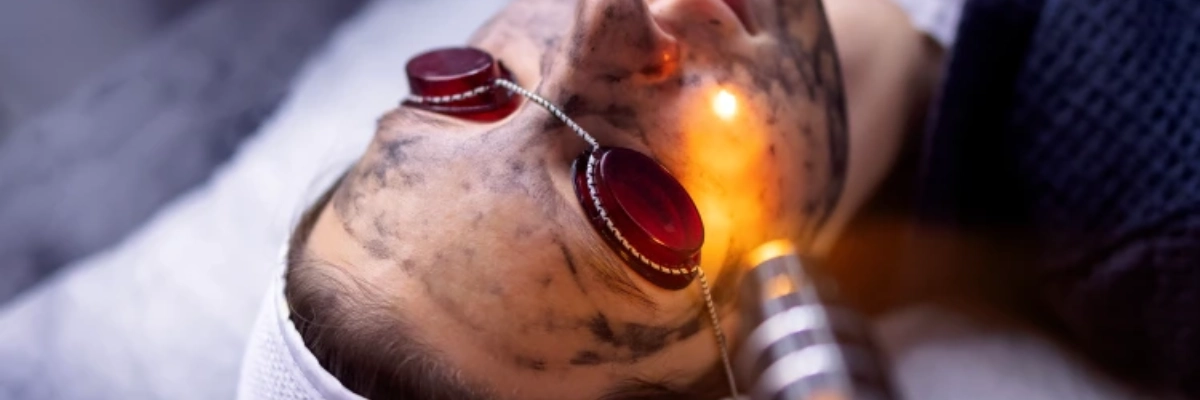
Dermatological Care Designed Around Your Skin Concerns
Why Choose Elation Hair & Skin Clinic for CO2 Laser Treatment?
Effective laser resurfacing involves more than selecting a device. Skin characteristics, treatment intensity and recovery requirements must be considered to determine whether the procedure is appropriate.
- We examine scar patterns, skin texture, pore appearance and pigmentation to understand which concerns may respond to laser resurfacing.
- Our team reviews your skin sensitivity, previous procedures, medical history and healing tendencies before recommending treatment.
- The treatment settings are chosen according to the target area, skin characteristics and intended depth of resurfacing.
- We discuss the possibility of redness, swelling, peeling, temporary pigmentation changes and the time required for skin healing.
- Follow-up appointments help us monitor healing, evaluate improvement and determine whether further sessions or complementary procedures may be appropriate.
Explore What Laser Resurfacing May Improve
Is CO2 Laser Treatment Suitable for Your Skin Concerns?
Fractional CO2 laser treatment may be considered for people looking to improve particular skin irregularities or signs of photoageing. Its suitability depends on the depth and type of skin concern, skin tone and ability to follow post-treatment care. Common concerns assessed for treatment include.
- Depressed acne scars, including selected boxcar and rolling scars.
- Rough or irregular skin surfaces associated with previous skin damage.
- Certain superficial facial lines, particularly around the mouth and eyes.
- Visible pores associated with uneven skin texture.
- Sun-Damaged Skin: Some textural changes associated with prolonged sun exposure.
Active acne, infections, a history of abnormal scarring or a tendency towards post-inflammatory hyperpigmentation may affect treatment suitability. Clinical assessment is particularly important for darker skin tones. Book a consultation today.
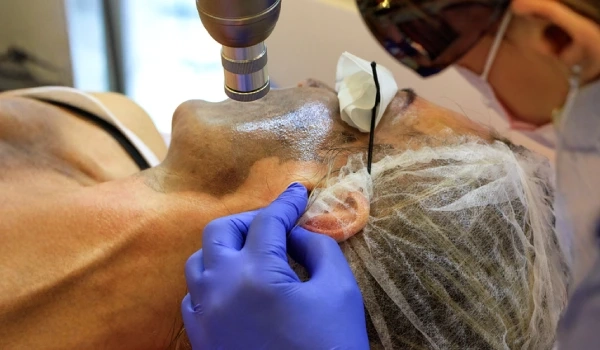
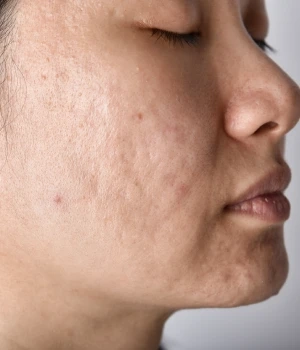
Skin Preparation to Controlled Laser Resurfacing
How Is CO2 Laser Treatment Performed?
CO2 laser resurfacing uses laser energy absorbed by water within the skin to create controlled microscopic treatment zones. In fractional treatment, surrounding untreated tissue helps support the healing process. The procedure generally involves the following stages.
-
Step
Evaluating Skin Condition and Treatment Goals
The clinician assesses skin texture, scar depth, pigmentation and medical history. Previous treatment responses, medicines, recent sun exposure and any history of cold sores or poor wound healing are reviewed.
-
Step
Preparing the Skin for Resurfacing
The treatment area is thoroughly cleansed. A topical anaesthetic may be applied to reduce procedural discomfort. Protective eyewear is used, and additional preparation may be recommended according to the individual's clinical needs.
-
Step
Adjusting Laser Treatment Parameters
The clinician selects suitable laser settings based on the treatment area, skin characteristics and required resurfacing depth. This includes consideration of laser energy, treatment density and the number of passes.
-
Step
Delivering Fractional CO2 Laser Energy
The laser handpiece directs controlled energy onto the selected skin areas, creating microscopic columns of tissue injury. This initiates wound healing and collagen remodelling. Patients may experience warmth, prickling or a stinging sensation during treatment.
-
Step
Assessing the Treated Skin
After the procedure, the clinician checks the skin for immediate reactions. A suitable protective ointment or dressing may be applied, depending on the treatment intensity and clinical protocol.
-
Step
Reviewing Healing and Treatment Response
The skin undergoes an initial healing phase followed by gradual remodelling. Follow-up assessment helps determine whether the response is satisfactory and whether additional treatment is appropriate.
Protect Your Skin During the Healing Phase
What Aftercare Should You Follow After CO2 Laser Treatment?
CO2 laser treatment creates controlled skin injury, making post-procedure care particularly important. Fractional laser resurfacing commonly involves several days of redness, swelling and peeling, while more intensive treatment may require longer recovery.
Cleanse the Treated Skin Carefully
Follow the clinician's instructions for cleaning the area. Avoid scrubbing, exfoliating or using abrasive cleansers while the skin is healing.
Keep the Skin Appropriately Moisturised
Use only the recommended recovery ointment or moisturiser. Maintaining a suitable healing environment may help reduce dryness and discomfort.
Avoid Direct Sun Exposure
Protect the treated area from sunlight during healing. Once the skin has re-epithelialised and your clinician approves sunscreen use, apply broad-spectrum SPF 30 or higher regularly.
Do Not Pick Peeling or Crusting Skin
Temporary flaking or crusting may occur as the treated surface heals. Picking these areas can increase the risk of irritation, pigmentation changes, infection and scarring.
Pause Irritating Skincare Products
Avoid retinoids, exfoliating acids, harsh scrubs and other potentially irritating products until your clinician confirms that they can be restarted.
Attend Your Scheduled Skin Review
Follow-up appointments allow the clinician to evaluate healing and identify complications early. Increasing pain, spreading redness, pus, fever or unexpected blistering should be reported promptly.
Possible Skin Reactions and Their Management
What Side Effects Can Occur After CO2 Laser Treatment?
| Possible Concerns | How They Are Managed |
|---|---|
| Redness and Swelling | We assess the severity and recommend appropriate skin care or cooling measures when suitable. |
| Burning or Stinging Sensation | We review the affected area and advise on prescribed soothing products or other appropriate care. |
| Dryness, Peeling and Crusting | We provide wound-care instructions and advise against manually removing peeling skin. |
| Post-Inflammatory Hyperpigmentation | We assess pigmentation changes, reinforce sun protection and consider suitable treatment after the skin has healed. |
| Prolonged Redness | We monitor the healing response and arrange additional evaluation if redness is persistent or worsening. |
| Scarring or Changes in Skin Colour | We assess persistent changes and discuss further management or specialist review where necessary. |
Experiences Shared by Our Patients
What Patients Say About Elation
Explore patient feedback about treatment experiences at our Ultadanga, Gariahat and Minto Park centres.
Answers to Your Concerns
Frequently Asked Questions
Curious about the procedure, recovery time or results you can expect? Explore these FAQs to clear your doubts and take the next step with confidence.
How long does CO2 laser treatment take to show results?
Initial improvements in skin texture may become noticeable after the surface has healed. However, collagen remodelling develops gradually over several weeks to months. Acne scar improvement may require multiple sessions, and the response varies according to scar characteristics and treatment settings.
Is CO2 laser treatment painful?
Patients may experience warmth, prickling or stinging during treatment. A topical anaesthetic is commonly used to reduce discomfort. Sensitivity, a sunburn-like sensation and swelling may occur afterwards, depending on treatment intensity.
How many CO2 laser sessions are needed for acne scars?
The number of sessions depends on scar depth, scar type, skin response and treatment intensity. Some patients require multiple sessions spaced sufficiently apart to allow healing. Deep or tethered scars may also require complementary procedures.
How many days does it take to recover from CO2 laser treatment?
Initial recovery after fractional CO2 resurfacing commonly takes approximately 5–10 days, although some patients need longer. More intensive resurfacing can require around two weeks or more for surface healing. Redness and pigmentation changes may persist beyond the initial recovery period.
Is CO2 laser treatment suitable for Indian skin types?
CO2 laser treatment may be considered for Indian skin tones following careful dermatological assessment. However, medium to darker complexions are more susceptible to post-inflammatory hyperpigmentation. Appropriate patient selection, laser settings, skin preparation and aftercare are important for reducing avoidable risks.