
Our Skin Treatments
Your Path to Healthier Hair and Skin Starts Here
Addressing Uneven Skin Tone
Anti-Pigmentation Treatment: Targeted Care for Dark Spots and Uneven Skin Tone
Anti-Pigmentation Treatment focuses on reducing the appearance of dark patches, uneven skin tone and excess pigmentation caused by various skin conditions. Pigmentation develops when melanin, the natural pigment responsible for skin colour, accumulates unevenly in certain areas. We examine your pigmentation pattern, skin type and medical history before recommending a suitable approach. Our treatment planning focuses on identifying contributing factors and managing pigmentation while minimising the risk of further skin irritation.
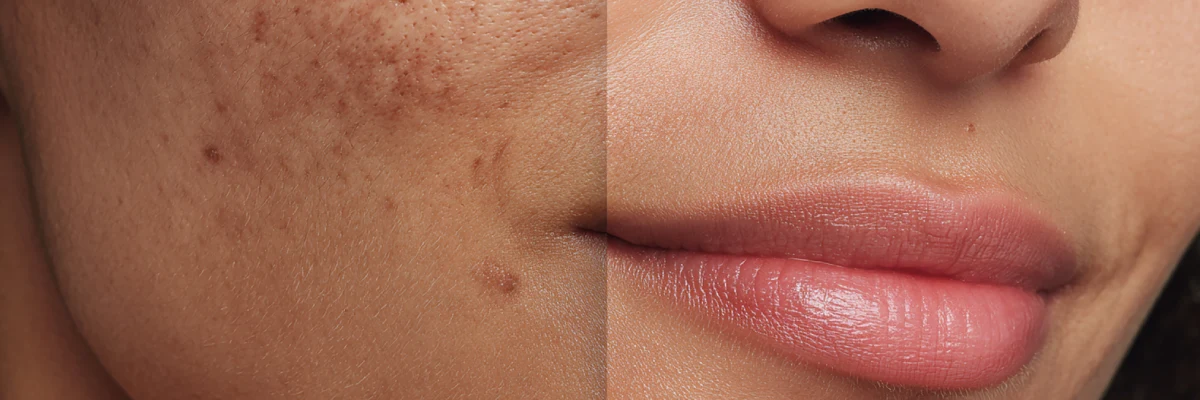
Individual Solutions for Pigmentation Concerns
Why Choose Elation Hair & Skin Clinic for Anti-Pigmentation Treatment?
Dark spots and uneven skin tone can develop for different reasons, making accurate assessment essential before beginning treatment. At Elation Hair & Skin Clinic, we evaluate your pigmentation concerns and skin condition before recommending an individualised treatment plan.
- We examine the location, colour and distribution of pigmentation to help identify the underlying skin concern.
- Your skin type, sun exposure, previous treatments, current skincare products and relevant medical history are reviewed before treatment planning.
- We select suitable topical treatments, chemical peels or other procedures according to the pigmentation pattern and individual skin requirements.
- We select suitable topical treatments, chemical peels or other procedures according to the pigmentation pattern and individual skin requirements.
- Follow-up consultations help us monitor pigmentation changes, assess skin tolerance and adjust the treatment plan when necessary.
Recognising Different Pigmentation Patterns
Is Anti-Pigmentation Treatment Right for You?
Dark spots can appear on the face and other exposed areas when melanin production increases or pigment becomes unevenly distributed. Some pigmentation develops gradually with sun exposure, while other marks appear after acne, skin irritation or hormonal changes. The appropriate treatment depends on the underlying cause, depth and severity of pigmentation.
- Brown or grey-brown patches commonly appearing on the cheeks, forehead or upper lip
- Dark marks that remain after pimples or acne inflammation have healed
- Selected flat brown spots associated with prolonged sun exposure
- Areas of skin that appear darker than the surrounding complexion
- Dark patches that develop after skin irritation, injury or inflammation
New, changing, irregular or suspicious pigmented lesions require medical assessment before cosmetic treatment. Schedule an appointment today.
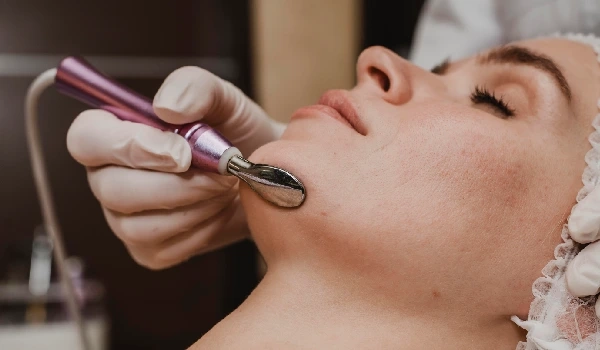

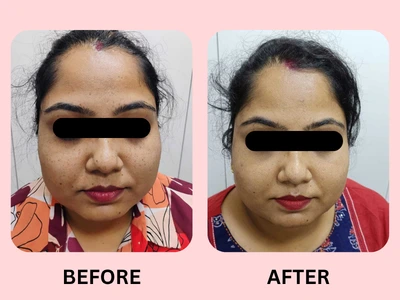
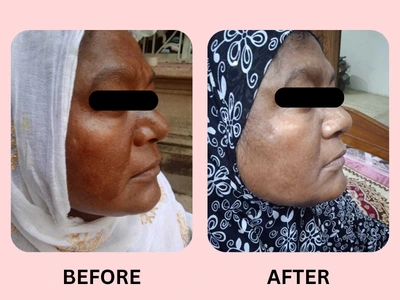
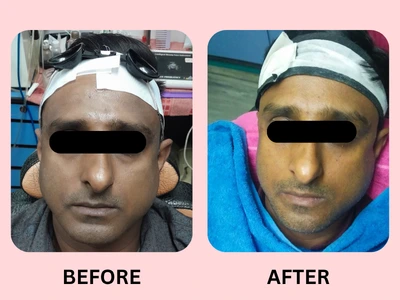
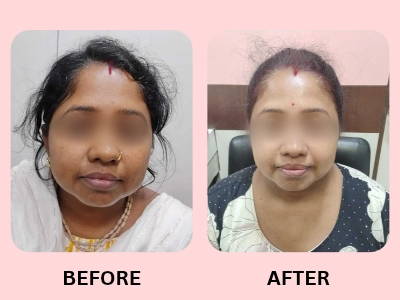
See the Difference Over Time
Before & After Anti Pigmentation Treatment
Understanding Pricing
Anti-Pigmentation Treatment Cost in Kolkata
At Elation Hair & Skin Clinic, Kolkata, hyperpigmentation treatment costs between ₹1,500 and ₹3,000 per session, while melasma treatment ranges from ₹2,000 to ₹5,000 per session. You can consult our team at any of our three clinics in Ultadanga, Gariahat and Minto Park for a personalised treatment plan and cost estimate.
A Stepwise Plan for Pigmentation Management
How Is Anti-Pigmentation Treatment Performed?
Anti-Pigmentation Treatment does not involve one standard procedure for every patient. Depending on the diagnosis, treatment may include topical medications, chemical peeling or selected laser-based procedures.The treatment process generally involves the following stages.
-
Step
Identifying the Pigmentation Concern
The clinician examines the affected areas to assess the colour, distribution and appearance of dark patches. Your history of sun exposure, acne, hormonal changes, previous treatments and other relevant factors is also reviewed.
-
Step
Evaluating Skin Type and Sensitivity
Your skin tone, sensitivity and tendency to develop dark marks after irritation are assessed. The clinician may use appropriate examination techniques to help distinguish different pigmentation patterns.
-
Step
Selecting the Treatment Approach
A suitable plan is developed according to the diagnosis. This may involve prescription creams containing pigment-regulating ingredients, carefully selected chemical peels or laser treatment for appropriate cases.
-
Step
Preparing the Skin for Treatment
The preparation depends on the selected procedure. Certain patients may need a prescribed skincare routine and consistent sun protection before a peel or laser session to reduce the risk of irritation and post-inflammatory pigmentation.
-
Step
Performing the Selected Procedure
If an in-clinic procedure is appropriate, the clinician follows the relevant treatment protocol. Chemical peels involve controlled application of an exfoliating solution, while selected laser procedures use light energy to target suitable pigmented areas. Topical treatment plans may not require an in-clinic procedure.
-
Step
Monitoring Skin Response and Progress
The clinician assesses how the pigmentation responds over time and checks for irritation or unexpected skin changes. Treatment intervals, maintenance products and follow-up appointments are adjusted according to your progress.
Everyday Habits That Support Clearer-Looking Skin
What Aftercare Should You Follow After Anti-Pigmentation Treatment?
Proper aftercare plays an important role in pigmentation management. Aftercare requirements vary according to whether you receive prescription skincare, chemical peeling or a laser-based procedure.
Apply Sunscreen Consistently
Use broad-spectrum sunscreen with an appropriate SPF as recommended by your dermatologist. Reapply when needed, particularly during outdoor exposure. Tinted sunscreens containing iron oxides may be helpful for individuals with melasma because visible light can worsen pigmentation.
Cleanse Your Skin Without Scrubbing
Wash your face gently using a mild cleanser. Avoid harsh rubbing, exfoliating brushes and abrasive products that may irritate the skin and contribute to further pigmentation.
Maintain a Suitable Moisturising Routine
Use a moisturiser appropriate for your skin type to help maintain the skin barrier. Well-tolerated skincare is especially important when using prescription pigmentation products that may cause dryness.
Avoid Picking at Dark Spots or Healing Skin
Do not scratch, squeeze or peel affected areas. Repeated friction and inflammation can make pigmentation more noticeable, particularly in individuals prone to post-inflammatory darkening.
Use Pigmentation Creams Only as Prescribed
Apply recommended products according to your clinician's instructions. Avoid prolonged or unsupervised use of strong skin-lightening combinations, particularly those containing topical steroids or hydroquinone.
Reduce Excessive Heat and Sun Exposure
Limit unnecessary exposure to intense sunlight and heat, especially if you have melasma or have recently undergone an in-clinic procedure. Hats and other physical protection can complement sunscreen.
Avoid Unapproved Facial Procedures
Do not undergo additional chemical peels, aggressive facials or laser procedures without consulting your dermatologist. Repeated irritation may cause new pigmentation or worsen existing patches.
Continue Follow-Up and Maintenance Care
Pigmentation improvement can be gradual, and some conditions may return. Attend scheduled reviews so your dermatologist can assess progress and recommend suitable maintenance measures.
Skin Responses to Pigmentation Care
What Side Effects Can Occur After Anti-Pigmentation Treatment?
| Possible Concerns | How They Are Managed |
|---|---|
| Redness and Irritation | We examine the reaction and recommend appropriate skincare or treatment adjustments |
| Dryness and Peeling | We advise on moisturising products and changes to active skincare ingredients when necessary |
| Burning or Stinging | Persistent discomfort requires assessment to identify irritation or an unsuitable treatment response |
| Temporary Swelling | We evaluate the affected area and suggest appropriate measures according to the procedure performed |
| Uneven Skin Lightening | We review unexpected light patches or changes in skin colour and determine whether further intervention is required |
| Allergic Skin Reactions | Suspected allergies are evaluated, and the responsible product may need to be discontinued |
Experiences Shared by Our Patients
What Patients Say About Elation
Explore patient feedback about treatment experiences at our Ultadanga, Gariahat and Minto Park centres.
Answers to Your Concerns
Frequently Asked Questions
Curious about the procedure, recovery time or results you can expect? Explore these FAQs to clear your doubts and take the next step with confidence.
Why do dark spots keep returning after anti-pigmentation treatment?
Dark spots may return when the underlying cause remains active. Sun exposure, hormonal changes, recurring acne and skin inflammation can contribute to new pigmentation. Melasma is particularly prone to recurrence, so maintenance skincare and consistent sun protection are often necessary.
Can hormonal pigmentation be treated without laser procedures?
Yes. Melasma and other hormone-associated pigmentation concerns are frequently managed with prescribed topical products and strict sun protection. Laser procedures are not always necessary and may worsen pigmentation in some individuals, particularly when treatment is too aggressive.
Can anti-pigmentation treatment help dark spots around the mouth?
Some pigmentation around the mouth may respond to appropriate treatment, but the cause must be identified first. Possible contributing factors include irritation, previous inflammation, sun exposure or melasma. Not every type of perioral darkening responds to the same treatment.
Can pigmentation on the neck be treated like facial pigmentation?
Not always. Darkening around the neck may result from friction, inflammation or conditions such as acanthosis nigricans, which can be associated with insulin resistance. Correct diagnosis is important because cosmetic pigmentation treatments alone may not address the underlying cause.
How do you know whether a dark spot needs medical examination?
A dark spot should be assessed if it is new, changes in size, shape or colour, has irregular borders, bleeds, or looks noticeably different from surrounding spots. Such changes should not automatically be treated as cosmetic pigmentation. A dermatologist can determine whether further examination is required.