
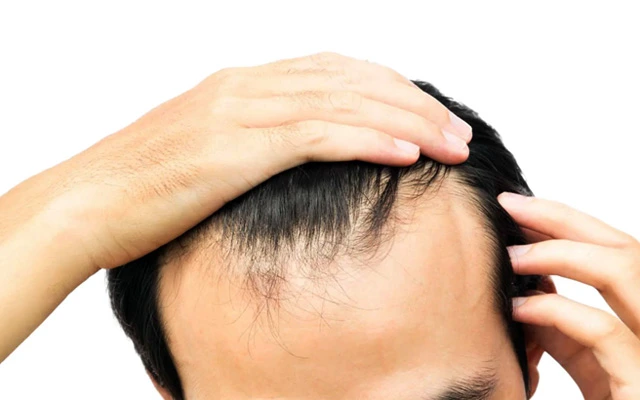
Is your hairline slowly retreating? You might be making it worse without even realising it.
It's easy to blame ageing or genetics for your receding hairline, but other everyday habits might be doing more damage than you think.
From overusing heat styling tools to not sticking with your hair care routine, these small mistakes can prevent your hair from growing back.
At Elation Hair and Skin Clinic, we specialise in providing effective treatments for receding hairlines, helping you regain your confidence with fuller, healthier hair.
In this blog, we'll cover everything you need to know about receding hairline treatment, exploring the causes, recognising early signs, and sharing actionable steps to help you start the regrowth process today.
Why Hairlines Recede in the First Place?
Understanding why your hairline is receding is the first step in finding the right treatment. Here are the primary causes:
Genetics and DHT Sensitivity
The primary reason for receding hairlines is genetics, particularly androgenetic alopecia, commonly known as male pattern baldness. This condition is linked to an overproduction of DHT (dihydrotestosterone), a hormone derived from testosterone. DHT binds to hair follicles, causing them to shrink and leading to hair thinning and eventual hair loss.
- Genetic Predisposition: If hair loss runs in your family, you're likely to experience it too.
- DHT Sensitivity: Increased sensitivity to DHT leads to thinning hair and receding hairlines.
Stress, Sleep, and Lifestyle Triggers
While genetics plays a significant role, external factors such as stress, sleep deprivation, and unhealthy lifestyle choices can accelerate hairline recession.
- Chronic Stress: Can trigger telogen effluvium, a type of hair loss where hair follicles shed prematurely.
- Poor Sleep: Disrupts the body’s repair processes, weakening hair follicles.
- Lifestyle Habits: Smoking, excessive alcohol, and poor nutrition can cause hormonal imbalances that contribute to hair loss.
Nutritional Gaps That Weaken the Hairline
A poor diet can significantly impact the health of your hairline. Nutritional deficiencies, particularly in biotin, vitamin D, and iron, can weaken hair follicles and lead to thinning hair.
- Biotin: Essential for hair health and growth.
- Vitamin D: Important for stimulating hair follicles.
- Iron: Promotes healthy blood circulation to the scalp.
Hairstyles, Traction, and Grooming Habits
Tight hairstyles and the frequent use of heat styling tools can damage the hairline over time.
Styles such as ponytails, braids, and buns can cause traction alopecia, in which the hairline recedes due to constant pulling.
Foods for Healthy Hair Growth
For healthy hair growth, incorporate nutrient-dense foods such as spinach, eggs, and nuts. These foods are rich in vitamins and minerals, including biotin, zinc, and iron, which promote stronger, shinier hair.
How do you know your hairline is receding?
A receding hairline is often the first noticeable sign of baldness. But how can you tell if it's just a normal maturing of your hairline or something that requires attention?
Let's break it down.
Mature Hairline vs Receding Hairline
There’s a significant difference between a mature hairline and a receding hairline.
| Aspect | Mature Hairline | Receding Hairline |
| Definition | A natural and gradual shift of the hairline with age | A noticeable thinning of hair, often due to genetic hair loss |
| Recession Pattern | Subtle recession along the temples or forehead | Rapid recession, often creating an “M” shape |
| Age Factor | Typically occurs in adulthood, usually between the ages of 17- 29 | Can begin at any age, often during late teens to early 20s |
| Cause | Normal ageing process | Often due to genetics and DHT (Dihydrotestosterone) sensitivity |
Early Warning Signs at the Temples and Forehead
If you start noticing hair thinning at your temples or the corners of your forehead, it could be an early sign of a receding hairline. The first areas to thin out are often the temples and the forehead, so monitor these areas.
- Temple Thinning: Gradual thinning around the temple area.
- Forehead Recession: The forehead may appear larger as the hairline recedes.
At Elation Hair and Skin Clinic, a hair treatment clinic in Kolkata, we can help prevent further loss and stimulate regrowth, so the process doesn’t become irreversible.
What can you do today to slow and reverse hairline loss?
It’s never too late to start treating your receding hairline. Here are some steps you can take immediately:
- Nutrition Strategies That Strengthen Hair Roots
A healthy, well-balanced diet rich in protein, iron, biotin, and vitamins is key to maintaining strong hair follicles. Incorporate leafy greens, fish, and nuts into your meals for better hair health.
- Scalp Care and Blood Circulation Basics
Regular scalp massages with essential oils such as rosemary or peppermint can improve blood circulation to the hair follicles, boosting hair growth.
Essential Oils: Use rosemary oil and peppermint oil to stimulate hair growth.
Stress Control and Hormonal Balance
Managing stress through practices like yoga, meditation, or regular physical activity can reduce hair loss. Balancing your hormones is also crucial for hair health, so consider stress management techniques as part of your daily routine.
When Hair Transplant Becomes the Right Option
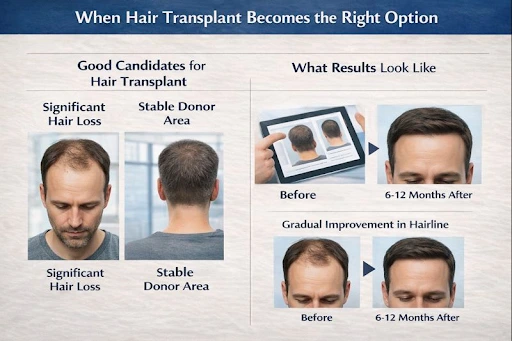
For those with more advanced hairline recession, a hair transplant may be the best solution.
- Good Candidates for Hair Transplant: Significant hair loss, a stable donor area, and realistic expectations.
- What Results Look Like: Gradual improvement in hairline after 6-12 months.
Common Mistakes That Accelerate Hairline Recession
It’s easy to make mistakes that can worsen your receding hairline. Many of us don’t realise that our daily habits, lifestyle choices, or even how we treat our hair can impact hair loss.
Let’s go over some of the common mistakes and how they contribute to further recession:
Ignoring Early Signs
Ignoring the early signs of a receding hairline is one of the biggest mistakes people make. The sooner you catch a problem, the easier it is to treat and prevent further damage.
- Delayed Action: If you wait too long to seek treatment, the hair follicles may become permanently damaged, making it harder to regrow hair.
- Permanent Hair Loss: Ignoring early signs risks progression to advanced hair loss, where surgical intervention may be the only viable option.
Tip: If you notice a gradual thinning along your temples or forehead, it’s time to take action.
Overusing Heat, Chemicals, and Tight Styles
Excessive use of heat styling tools, harsh chemicals, and tight hairstyles can severely damage hair follicles and accelerate hair loss.
- Heat Styling: Regular use of flat irons, curling wands, and blow dryers can weaken hair over time. Excessive heat causes hair to become dry, brittle, and more prone to breakage, contributing to hairline recession.
- Chemical Treatments: Frequent use of hair dyes, bleaching, and chemical relaxers can damage hair structure, leading to thinning and breakage, especially around the sensitive hairline.
- Tight Hairstyles: Ponytails, braids, and other tight hairstyles cause traction alopecia, where the constant pulling on the hairline leads to hair loss.
- Weakening Follicles: These factors can damage hair follicles over time, making it harder for your hairline to recover.
Tip: Switch to looser hairstyles, use heat protection products, and try to limit the use of harsh chemicals. Choose natural, gentle hair care routines to preserve your hairline and prevent further thinning.
Early Action Leads to Better Results
A receding hairline doesn’t have to define you. Whether you are considering non-surgical treatments or hair transplant surgery, starting early makes all the difference.
Discover the best treatment options for you at Elation Hair and Skin Clinic, a hair treatment clinic in Kolkata. Contact us at+91 98300 85599 today.
People Also Ask (FAQs)
- Can a receding hairline grow back naturally?
Yes, if treated early, a receding hairline can regrow naturally with the right treatments, such as Minoxidil or PRP therapy.
- How to regrow the frontal hairline?
For hair regeneration in the frontal area, focus on a balanced diet, use effective topical treatments, and consider PRP therapy. Additionally, daily scalp massages can stimulate hair follicles, promoting faster growth.
- At what age does hairline recession usually start?
Hairline recession can begin as early as age 18 to 25, particularly among those with a genetic predisposition to male pattern baldness.
- Is it possible to regrow hair on a receding hairline?
Yes, it is possible to regrow hair on a receding hairline with treatments like minoxidil, finasteride, or hair transplant surgery. Early intervention can yield better results, so consulting a specialist is crucial for personalised advice.