
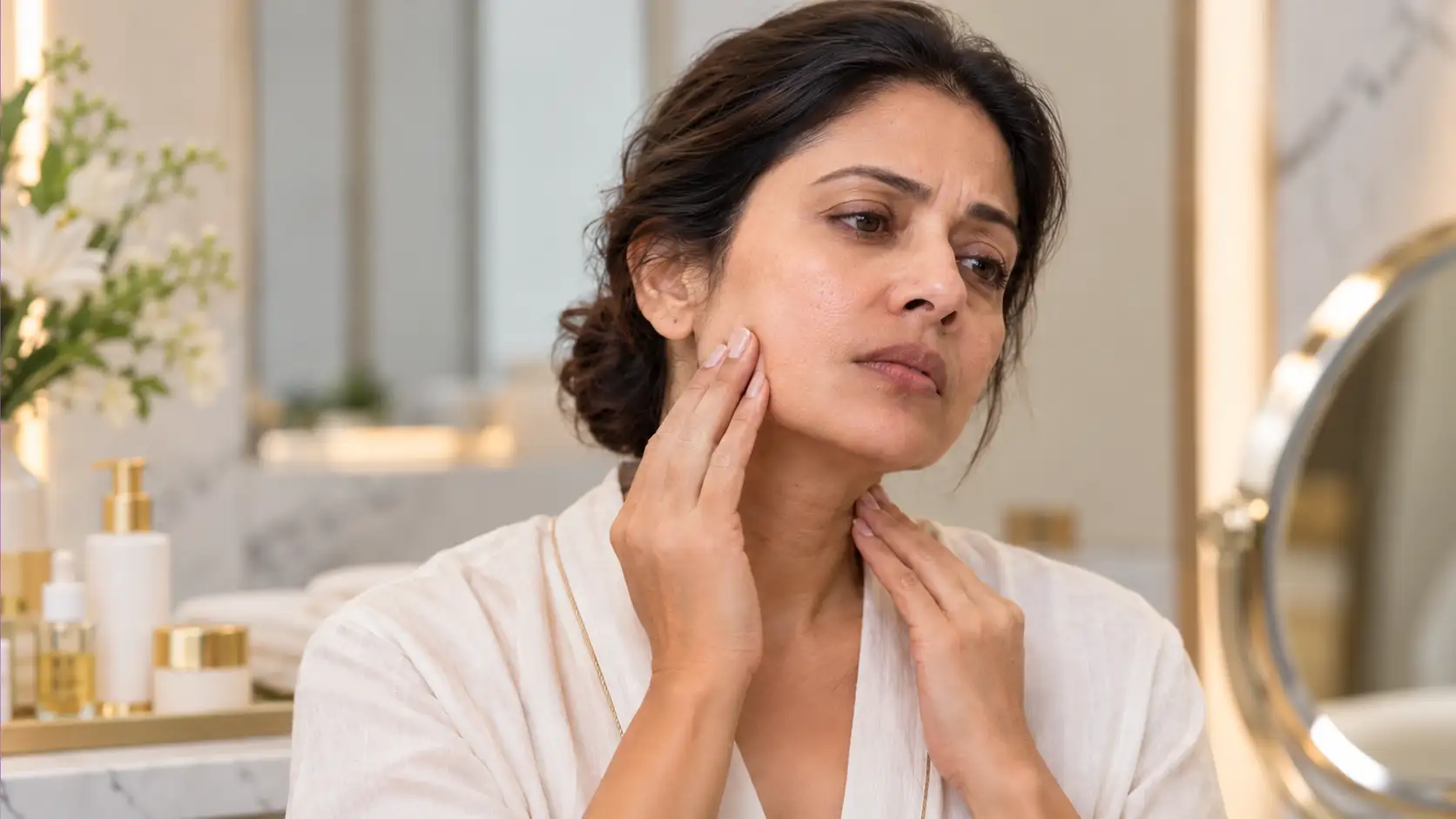
You follow your skincare routine, apply moisturiser regularly and take care of your skin. Yet, something feels different when you look in the mirror. Your skin appears tired, thinner than before and slightly crinkled, especially around your eyes, cheeks and neck.
Even with good skincare habits, you may notice fine lines and wrinkles becoming more visible. Makeup no longer sits as smoothly, and your skin seems to have lost its natural freshness. These changes are common with ageing, but age is not always the only reason. Sun exposure, lifestyle habits and changes beneath the skin can all contribute.
Understanding what causes these changes can help you find the right solutions to improve your skin's appearance.
What Is Really Going On Beneath Your Skin’s Surface?
As skin ages, several changes happen beneath its surface. One of the most noticeable is the loss of skin elasticity, which makes skin less able to return to its original shape after stretching. Your skin also gradually loses moisture and structural support. This can make the surface appear uneven, loose or slightly wrinkled.
How Collagen and Elastin Decline Over Time
Collagen and elastin are two important proteins that help maintain your skin's structure. Collagen provides firmness and strength, while elastin helps your skin stretch and return to its original position.
As you grow older, your body produces less collagen, and existing fibres gradually weaken. Years of sun exposure can accelerate this process. As a result, your skin may begin to sag, feel less firm and develop visible changes in texture.
Although these changes are natural, certain skincare ingredients and professional treatments can help improve their appearance.
Why Skin Turns Thin and Crinkled
Crepey skin gets its name from its resemblance to thin, crinkled paper. It often develops around the eyes, neck, arms and other areas where the skin is naturally delicate.
Ageing can make the outer skin layer thinner while reducing the supportive structures underneath. Dryness may further exaggerate the appearance of tiny folds and uneven texture.
Repeated sun exposure can also damage the skin's supporting fibres, making these changes more noticeable. Unlike simple dryness, crepey texture may not disappear completely after applying moisturiser because bigger structural changes can be involved.
Which Everyday Habits Make Skin Look Tired Faster?
Your daily environment and lifestyle can influence how quickly visible signs of ageing develop. Sometimes, small habits repeated over several years make a noticeable difference.
Sun, Pollution and Humidity
Living in Kolkata means dealing with hot summers, high humidity and frequent exposure to urban pollution. Ultraviolet rays from sunlight are among the major causes of premature skin ageing. They can damage collagen and contribute to pigmentation, uneven texture and reduced firmness.
Pollution may also increase oxidative stress, which can affect the skin's protective barrier. Although humidity can make your face feel oily, it does not necessarily mean your skin is properly hydrated.
Spending time outdoors without adequate sun protection can gradually increase these concerns. Using broad-spectrum sunscreen, cleansing gently and protecting your skin from excessive sun exposure can help reduce further damage.
Sleep, Hydration, Smoking and Diet
Late nights, poor sleep and inconsistent eating habits may also affect how healthy your skin looks. During sleep, your body carries out important maintenance and repair processes. Poor sleep can contribute to a tired appearance.
Smoking accelerates premature ageing by affecting circulation and damaging collagen. Dehydration can temporarily make fine surface lines more noticeable.
A balanced diet containing adequate protein, fruits, vegetables and healthy fats supports normal skin function. Staying hydrated, getting sufficient sleep and avoiding smoking can help maintain healthier-looking skin.
These habits will not reverse every visible age-related change, but they provide an important foundation for long-term skin health.
Can Home Skincare Fix It, or Do You Need More?
Home skincare can improve dryness and support healthier skin. However, its results depend on how much structural damage or ageing has already occurred.
What Sunscreen, Retinoids and Moisturisers Can Do
A consistent skincare routine is often the first step. Broad-spectrum SPF 30 or higher sunscreen helps prevent further sun-related damage.
Retinoids can encourage skin cell turnover and, with regular use, improve some visible signs of ageing. However, they should be introduced gradually because they may cause irritation.
Moisturisers containing ingredients such as ceramides, glycerin and hyaluronic acid help maintain the skin barrier and improve hydration. These products can make skin appear smoother, but they cannot fully correct significant skin laxity.
Signs It Is Time to See a Dermatologist

If your skin continues to look dull or crinkled despite consistent care, a professional assessment may help.
You may consider consulting a dermatologist when:
- Your skin feels noticeably thinner or less firm.
- Uneven texture persists despite moisturising.
- Pigmentation and sun damage become more visible.
- Your regular skincare products no longer provide satisfactory results.
A dermatologist can determine whether you need a targeted dull skin treatment or a procedure that addresses bigger changes.
Which Clinical Options Can Restore Smoothness and Glow?
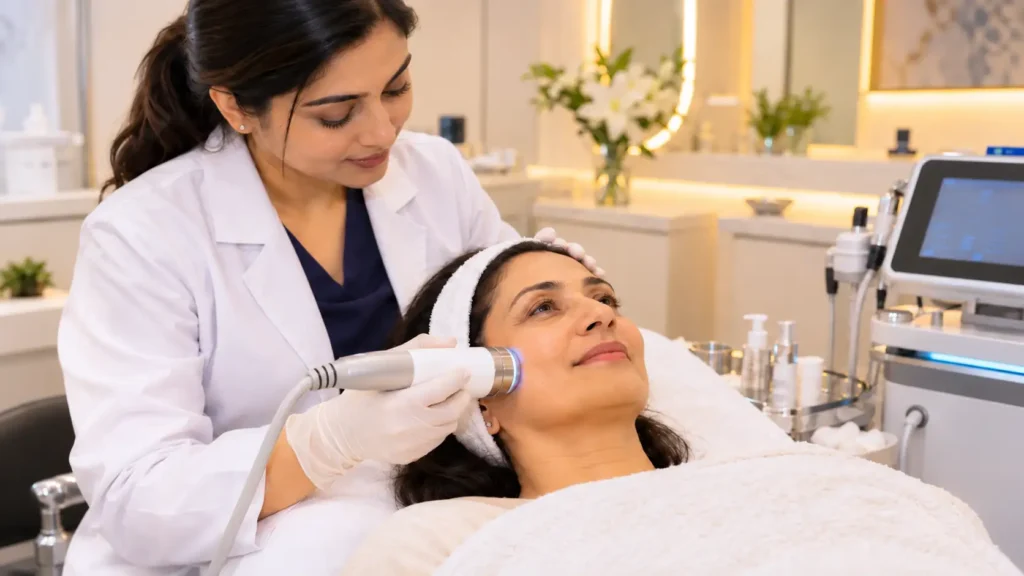
Different treatments target different skin concerns. Some focus on improving surface texture, while others encourage collagen production or address reduced firmness.
The most suitable approach depends on your skin condition, expectations and medical history.
For Flat, Tired Tone: Gentle Resurfacing and Hydration
If your main concern is uneven tone, rough texture or a tired appearance, treatments focusing on surface renewal and hydration may be appropriate.
A chemical peel uses a carefully selected solution to exfoliate the skin. Depending on its strength, it may help improve superficial pigmentation, roughness and uneven tone.
Another option is skin boosters, which commonly involve placing hyaluronic acid-based products into the skin to improve hydration and skin quality.
These treatments address different concerns. Peels primarily work through controlled exfoliation, while injectable hydration treatments aim to improve moisture and skin texture.
Some people notice improvements relatively quickly, while others require multiple sessions. A dermatologist must assess sensitivity, pigmentation risk and suitability before recommending either procedure.
For Thin, Crinkled Texture: Collagen Stimulation
When the skin appears delicate, loose or finely crinkled, improving hydration alone may not provide sufficient results. A personalised crepey skin treatment may focus on encouraging the skin's natural collagen production.
One approach is a collagen-boosting treatment designed to improve texture and firmness gradually. For suitable patients, microneedling RF combines tiny controlled needle punctures with radiofrequency energy delivered into the skin.
This creates a controlled healing response that may stimulate collagen remodelling over time. It can help improve certain textural concerns and mild skin laxity. However, results are gradual, and multiple sessions may be necessary.
Temporary redness, swelling or sensitivity can occur. The procedure also carries risks such as pigmentation changes, particularly if treatment settings or aftercare are unsuitable.
For Deeper Renewal: Regenerative and Lifting Options
Some patients have more noticeable changes in skin texture and firmness that require a different approach. Exosome skin rejuvenation is an emerging area of research involving tiny cell-derived particles associated with cellular communication.
Although early studies suggest possible applications in skin repair, clinical evidence remains limited. Product standardisation, long-term safety and effectiveness are not yet sufficiently established for routine recommendations. These products should not be considered proven alternatives to established procedures.
For mild to moderate laxity, a dermatologist may instead consider an established skin tightening treatment, such as appropriately selected radiofrequency or ultrasound-based procedures. These technologies deliver energy to targeted tissue layers to encourage gradual collagen remodelling.
Results depend on the technology, skin condition and degree of laxity. It is also important to understand that non-surgical procedures generally cannot reproduce the effects of surgery when substantial loose skin is present.
How Do You Choose the Right Plan for Your Skin?
Choosing the right treatment starts with understanding what your skin needs rather than selecting a procedure based on popularity. During a consultation, your dermatologist may assess your skin's texture, hydration, pigmentation, elasticity and overall condition.
If you are considering anti-ageing treatment in Kolkata, look for a qualified professional who explains the available options, potential risks and expected outcomes. Some patients benefit from combining resurfacing with collagen-focused procedures, while others may only require adjustments to their skincare routine.
Ask about the number of sessions, possible downtime, aftercare and realistic timelines. Most importantly, remember that visible improvement is usually gradual, and maintaining results requires consistent skincare.
Main Takeaway
Dull and crepey skin can develop due to natural ageing, sun damage, dryness and reduced collagen support. While daily skincare can improve hydration and help prevent further damage, persistent textural changes may benefit from professional assessment.
If you are exploring anti-ageing treatment in Kolkata, the goal should be healthier-looking skin through a plan suited to your individual concerns.
Book a consultation at our clinic today.
Frequently Asked Questions
1. At what age does skin start losing its firmness and glow?
Collagen production gradually declines during adulthood, and visible changes often become noticeable in the late twenties, thirties or later. Genetics, sun exposure and lifestyle influence the timing.
2. Can thin, crinkled skin be improved without surgery?
Yes. Depending on its severity, retinoids, energy-based procedures and other dermatologist-recommended treatments may improve skin texture and mild laxity without surgery.
3. How many sessions are usually needed to see a visible difference?
It depends on the procedure. Some treatments improve surface appearance after one session, while collagen-focused procedures commonly require several sessions and a few months for noticeable results.
4. Is there downtime after regenerative or resurfacing treatments?
Downtime varies. Superficial peels may cause mild peeling, while needling and energy-based procedures may cause temporary redness or swelling. Emerging regenerative procedures require additional safety considerations.
5. Which skincare habits should you follow between clinic sessions?
Use sunscreen daily, moisturise regularly, avoid harsh exfoliation and follow your dermatologist's aftercare instructions. Adequate sleep, balanced nutrition and avoiding smoking also support long-term skin health.