
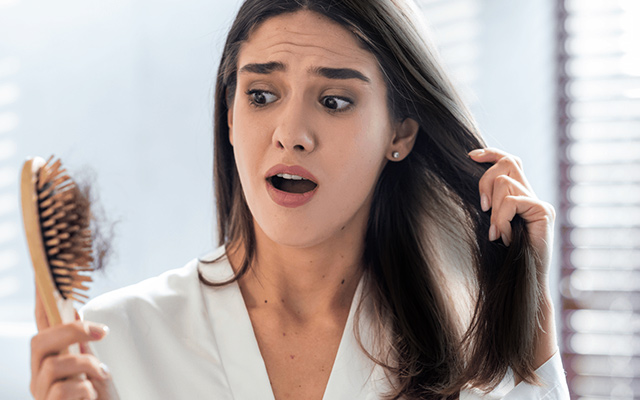
Hair fall that keeps increasing despite trying different remedies can be frustrating and confusing. While shampoo, oiling, and hair care routines may help, the real reason behind persistent hair loss often lies deeper. From nutritional deficiencies and hormonal changes to stress and genetics, several hidden factors can affect your hair growth cycle. Understanding the actual cause is the first step towards choosing the right solution.
Have You Tried Everything But Your Hair Fall Still Won’t Stop?
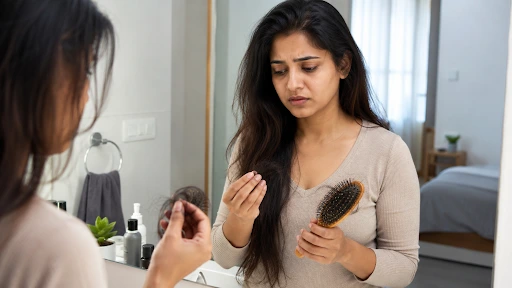
Seeing strands of hair on your pillow, comb, or shower floor every day can be worrying. Many people try changing shampoos, applying oils, using home remedies, or following online tips, but the hair fall continues.
If your hair fall is not stopping despite your efforts, the reason may not always be your hair care routine. Persistent hair loss can sometimes be linked to internal factors such as nutritional deficiencies, hormonal changes, stress, scalp problems, or underlying health conditions.
Understanding the actual cause is the first step towards finding the right solution. Let’s explore the hidden reasons that may be triggering ongoing hair fall and when you should consider professional advice.
Why Do Common Remedies Often Fail to Stop Hair Fall?
Hair fall is not always caused by external damage. While oiling and changing hair products may improve hair texture, they may not address the root cause behind excessive shedding.
For example, if hair fall is happening due to vitamin deficiency, thyroid imbalance, hormonal changes, or genetics, applying oils or using different shampoos alone may not provide long-term improvement.
A proper evaluation helps identify why the hair cycle is disturbed and what treatment approach may work best for your condition.
What Are the 10 Hidden Reasons Behind Persistent Hair Fall?
Could a Vitamin or Iron Deficiency Be Causing Your Hair Fall?
Nutrients play an important role in maintaining healthy hair growth. Deficiencies of iron, vitamin D, vitamin B12, zinc, and other essential nutrients can affect the hair growth cycle.
When your body does not receive enough nutrients, hair follicles may enter the resting phase earlier than usual, leading to increased shedding.
If hair fall is caused by vitamin deficiency, correcting the deficiency through proper diet and medical guidance can help improve hair health.
Is a Thyroid Imbalance Silently Triggering Your Hair Loss?
Thyroid hormones regulate several functions in the body, including hair growth. Both an underactive thyroid and an overactive thyroid can contribute to hair thinning.
People experiencing unexplained hair fall along with symptoms such as fatigue, weight changes, dry skin, or mood changes may need to check their thyroid levels.
Identifying and managing thyroid imbalance can be an important part of controlling hair loss.
Can Hormonal Changes (PCOS, Postpartum, Menopause) Be Behind It?
Hormonal fluctuations are among the common reasons for hair fall in women. Conditions such as PCOS, pregnancy-related hormonal changes, and menopause can affect the normal hair growth cycle.
In men, hormonal sensitivity to DHT (a hormone linked with genetic hair loss) can also contribute to gradual thinning.
Understanding whether hair fall is due to hormonal imbalance helps in choosing suitable treatment options.
Is Stress Actually Causing More Hair Fall Than You Realise?
High stress levels can affect your body in many ways, including your hair growth cycle. Significant physical or emotional stress may push more hair follicles into the shedding phase.
Stress-related hair fall may appear suddenly, often a few weeks or months after a stressful event.
Managing stress, improving sleep quality, and addressing the underlying trigger can support healthier hair growth.
Could Your Scalp Health Be the Real Problem, Not Your Hair?
A healthy scalp creates the right environment for hair growth. Problems such as dandruff, excessive oiliness, inflammation, or scalp infections can affect hair follicles.
Sometimes, people focus only on hair strands while ignoring scalp health. A proper scalp assessment can help identify issues that may be contributing to continuous hair fall.
Are You Using Hair Products That Are Quietly Damaging Your Hair?
Frequent chemical treatments, excessive heat styling, harsh hair products, and improper hair care habits can weaken hair strands.
Although these factors may not always cause hair loss from the roots, they can increase breakage and make hair appear thinner.
Choosing products suitable for your scalp and hair type can help reduce unnecessary damage.
Could Genetics (Androgenetic Alopecia) Be the Underlying Cause?
Genetic hair loss, also known as androgenetic alopecia, is one of the most common causes of gradual hair thinning in both men and women.
It usually appears as a receding hairline, thinning crown, widening hair partition, or reduced hair density over time.
Since genetic hair loss progresses differently from temporary shedding, early diagnosis can help manage the condition effectively. In advanced cases, options such as a hair transplant for genetic hair loss may be considered.
Is an Underlying Autoimmune Condition Triggering Sudden Hair Fall?
In some cases, sudden hair loss may be linked to autoimmune conditions where the immune system mistakenly affects hair follicles.
Conditions like alopecia areata can cause patchy hair loss and require proper medical evaluation.
If you notice sudden or unusual patterns of hair loss, consulting a specialist can help identify the exact cause.
Could Certain Medications Be Causing Your Hair Loss?
Some medications may affect the hair growth cycle and contribute to increased shedding as a side effect.
If your hair fall started after beginning a new medication, it is important to discuss this with your doctor instead of stopping medicines on your own.
A proper review can help determine whether the medication is linked to your hair changes.
Could Poor Diet or Crash Dieting Quietly Fuel Your Hair Fall?
Rapid weight loss and restrictive diets can deprive your body of important nutrients required for hair growth.
Protein deficiency, inadequate calorie intake, and unbalanced meals may weaken hair follicles and increase shedding.
Maintaining a balanced diet with sufficient protein, vitamins, and minerals supports overall hair health.
How Do You Know If Your Hair Fall Is Normal or a Warning Sign?
What’s the Difference Between Seasonal Shedding and Real Hair Loss?
Seasonal shedding is usually temporary and improves naturally after a certain period. However, ongoing hair fall lasting for several months, progressive thinning, or reduced hair density should not be ignored.
A professional evaluation can help differentiate between temporary shedding and conditions requiring treatment.
When Should You See a Doctor Instead of Trying More Home Remedies?
You should consider consulting a specialist if:
- Hair fall continues for several months
- You notice visible thinning or bald patches
- Hair loss starts suddenly
- There is scalp itching, redness, or irritation
- Hair fall is affecting your confidence
Finding the cause early can improve the chances of managing hair loss effectively.
What Treatment Options Actually Address These Hidden Causes?
How Do PRP, GFC, and Medical Treatments Target the Root Cause?
Advanced treatments focus on supporting healthier hair growth by improving follicle function and addressing specific concerns.
Comprehensive hair fall treatments such as PRP hair loss treatment and GFC hair treatment use growth factors to support the hair growth cycle and improve hair strength in suitable candidates.
A dermatologist may recommend a combination of treatments depending on your diagnosis, hair loss pattern, and individual needs.
Why Should You Consult a Specialist for Persistent Hair Fall?

Persistent hair fall requires more than just temporary solutions. A specialist can evaluate your scalp, understand your medical history, identify possible triggers, and recommend a suitable treatment plan.
At Elation Hair & Skin Clinic, personalised diagnosis and advanced solutions are provided to help patients address different causes of hair loss. From nutritional concerns to advanced therapies, the focus is on creating a personalised hair fall treatment plan based on individual needs.
If you are looking for the best hair fall treatment in Kolkata, consulting an experienced hair specialist at Elation Hair & Skin Clinic can help you explore suitable options.
The Next Step
Hair fall that does not stop is often a sign that your body or scalp needs attention. Instead of repeatedly trying random remedies, identifying the actual cause can help you take the right approach.
Whether it is nutritional deficiency, hormonal imbalance, stress, scalp problems, or genetic factors, early evaluation can make a difference.
A proper consultation can help you understand your hair condition and choose the right treatment path for healthier, stronger hair.
Consult the experts at Elation Hair & Skin Clinic for the best hair fall treatment in Kolkata.
People Also Ask
1. Why is your hair fall not stopping even after using hair fall shampoo?
Hair fall shampoos may help improve scalp health, but they may not address internal causes such as hormonal imbalance, nutritional deficiencies, stress, or genetics.
2. What are the hidden causes of hair fall that doctors check for?
Doctors usually evaluate factors such as vitamin deficiencies, thyroid problems, hormonal changes, scalp conditions, stress, lifestyle habits, and genetic patterns.
3. Can vitamin deficiency alone cause severe hair fall?
Yes, deficiencies of nutrients like iron, vitamin D, and vitamin B12 can contribute to excessive hair fall in some people.
4. Is thyroid problem a common cause of hair loss?
Yes, thyroid imbalance can affect the hair growth cycle and may contribute to thinning and increased shedding.
5. Can stress really cause noticeable hair fall?
Yes, prolonged or intense stress can disturb the hair growth cycle and trigger increased hair fall.
6. How do you know if your hair fall is normal or a medical problem?
If hair fall is excessive, continues for months, causes visible thinning, or occurs suddenly, it may require medical evaluation.
7. What blood tests are done to diagnose the cause of hair fall?
Depending on your symptoms, doctors may suggest tests for thyroid levels, iron status, vitamin levels, and other relevant markers.
8. Can hair fall be reversed once the underlying cause is treated?
In many cases, addressing the underlying cause can help improve hair shedding and support healthier regrowth.
9. When should you consult a dermatologist for hair fall?
You should consult a dermatologist if hair fall is persistent, sudden, severe, or associated with scalp changes.
10. What is the best treatment for hair fall caused by hormonal imbalance?
Treatment depends on the type and severity of hormonal imbalance. A specialist can suggest suitable medical treatments and hair restoration options after evaluation.