
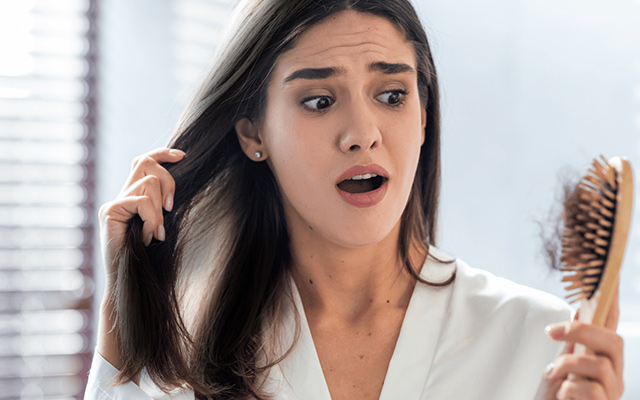
Did you know it’s normal to lose up to 100 hairs a day? That’s just your hair’s natural growth cycle making room for fresh strands.
But when shedding starts to outpace growth, it could be a sign of alopecia, a condition that affects men, women, and even children.
From understanding the root causes to exploring home remedies and effective clinical treatments, this blog covers everything you need to tackle hair fall confidently.
What are the types of hair loss?
Before knowing the causes of hair loss, let’s know about the types of hair loss. This table helps you identify each type.
| Type of Hair Loss | Symptoms / Pattern | Additional Notes |
| Androgenetic Alopecia (Pattern Baldness) | Male: Receding hairline, thinning at the crown forming "M" or "U" shape. Female: Overall thinning, widening of hair part; frontal hairline usually intact. | The most common hereditary hair loss affects both men and women. |
| Telogen Effluvium | Noticeable clumps of hair falling out, especially when washing or brushing. | Temporary condition; usually resolves once the trigger is addressed. |
| Alopecia Areata | Smooth, round, or oval bald patches can progress to Alopecia Totalis (full scalp) or Alopecia Universalis (entire body). | Sudden onset; can affect scalp or body. |
| Anagen Effluvium | Rapid and widespread shedding of actively growing hair. | Hair loss occurs during the active growth phase; often reversible post-treatment. |
| Traction Alopecia | Hair thinning or loss along the hairline or stressed areas. | Caused by mechanical stress, early intervention can prevent permanent loss. |
| Scarring Alopecia (Cicatricial Alopecia) | Permanent hair loss replaced by scar tissue. | Subtypes: • Frontal Fibrosing Alopecia – receding frontal hairline in postmenopausal women • Central Centrifugal Cicatricial Alopecia – often linked to chemical damage |
Causes of Hair Loss
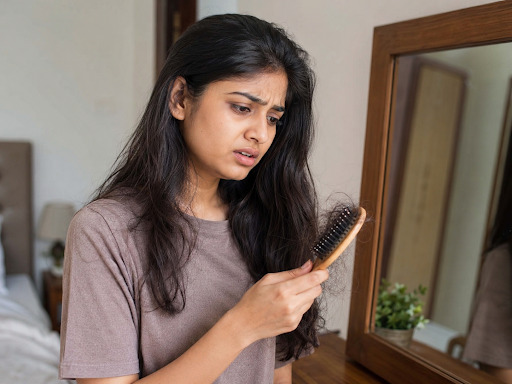
Hair loss can stem from several factors, often acting in combination. Knowing the cause is key to effective treatment, whether it involves lifestyle adjustments, natural remedies, or professional hair fall treatment.
1. Genetic and Hormonal Factors
One of the leading causes of hair loss is androgenetic alopecia. In men, hair thinning typically starts at the hairline and crown, forming an “M” or “U” shape. Women usually experience diffuse thinning across the scalp while maintaining the frontal hairline. Hormonal fluctuations, especially changes in dihydrotestosterone (DHT), shrink hair follicles and trigger progressive hair loss.
2. Stress and Lifestyle Factors
High stress levels, irregular sleep, and environmental pollution can accelerate hair shedding. Frequent heat styling, chemical treatments, and tight hairstyles add mechanical stress to hair follicles. Prolonged stress can lead to telogen effluvium, where a large number of hair follicles enter the shedding phase simultaneously, causing noticeable hair loss.
3. Nutritional Deficiencies
Deficiencies in iron, zinc, vitamin D, and protein can weaken hair and slow growth. Maintaining a balanced diet rich in nutrients is essential to support hair follicles and prevent premature shedding.
4. Medical Conditions and Treatments
Medical conditions like thyroid disorders, autoimmune diseases, and scalp infections can cause hair loss. Identifying the factors early allows for targeted intervention with appropriate therapies.
5. Mechanical and Chemical Stress
Repeated tension from hairstyles like tight ponytails, braids, and weaves leads to traction alopecia. Similarly, harsh chemical products and relaxers may trigger scarring alopecia, resulting in permanent hair loss. Early detection and professional care can help prevent long-term damage.
Natural Hair Fall Remedies
While professional treatment is critical in many cases, natural remedies can support hair health and reduce breakage.
Effective Home Remedies
- Oil Massages: Coconut or almond oil improves scalp circulation and strengthens follicles.
- Herbal Treatments: Aloe vera and fenugreek masks nourish hair roots.
- Onion Juice: Rich in sulfur, it stimulates hair regrowth.
- Dietary Support: Proteins, iron, zinc, and vitamins promote healthy hair growth.
Lifestyle Adjustments
- Avoid excessive heat styling and harsh chemical treatments.
- Reduce stress through yoga, meditation, or mindfulness.
- Maintain proper sleep patterns.
- Refrain from tight hairstyles that pull on hair.
Home remedies may support hair health, but they cannot cure hair loss entirely. At Elation Hair & Skin Clinic in Kolkata, expert professionals provide personalised hair fall treatment, ensuring targeted care that promotes visible and lasting regrowth.
Effective Treatments for Hair Fall
When hair loss becomes persistent, relying solely on home remedies may not be enough. Effective, clinically proven treatments target the underlying cause, stimulate hair growth, and improve scalp health.
Choosing the right treatment depends on the type of hair loss, its severity, and individual scalp conditions.
1. PRP Hair Therapy (Platelet-Rich Plasma)
PRP therapy has gained significant recognition for its ability to stimulate dormant hair follicles and encourage regrowth. The procedure involves extracting platelet-rich plasma from your blood and injecting it into areas of thinning hair.
Benefits:
- Strengthens existing hair and reduces shedding
- Promotes thicker and healthier hair growth
- Non-surgical and minimally invasive
2. Low-Level Laser Therapy (LLLT)
Low-Level Laser Therapy uses specific wavelengths of light to:
- Increase blood circulation in the scalp
- Stimulate hair follicles
- Reduce inflammation that may contribute to hair fall
This non-invasive procedure is painless, suitable for all hair types, and can be used alongside medications and PRP therapy for enhanced regrowth.
3. Advanced Hair Transplant Techniques
- FUE (Follicular Unit Extraction)
FUE involves removing individual hair follicles from the donor area, usually the back or sides of the scalp, and implanting them into thinning or bald areas. Because each follicle is transplanted separately, this method offers minimal scarring and a faster recovery period. It is ideal for patients who prefer short hairstyles or want less visible marks.
Advantages of FUE:
- Individual follicle extraction ensures natural hair growth patterns.
- Minimal scarring, easily concealed by surrounding hair.
- Quick recovery—patients can resume normal activities within a few days.
- Suitable for smaller or medium areas of hair loss.
- FUT (Follicular Unit Transplant)
FUT, also known as the strip method, involves removing a thin strip of scalp from the donor area to harvest multiple follicles at once. The extracted follicles are then implanted into thinning regions. FUT is often preferred for patients who need larger areas of coverage, as it allows the transplantation of a greater number of follicles in a single session.
Advantages of FUT:
- Efficient for covering extensive bald or thinning areas.
- Transplants a large number of follicles in one session.
- Linear scar in the donor area, which can be concealed by surrounding hair.
- Often recommended for patients requiring maximum density.
At Elation Hair & Skin Clinic, expert surgeons ensure proper follicle placement and post-procedure care, making it a top choice for advanced hair restoration.
5. Combination Treatments
Many patients benefit from a multimodal approach, combining:
- PRP therapy
- Laser therapy
- Hair transplant if needed
A personalised treatment plan addresses the root cause, strengthens existing hair, and maximizes regrowth. Regular follow-ups ensure that progress is tracked and adjustments are made for optimal outcomes.
Don’t Let Hair Fall Steal Your Spotlight!
Shedding strands got you stressed? While home remedies can help, real results come from expert care. Treatments like PRP therapy, laser sessions, and advanced hair transplants tackle the root cause and bring your hair back to life.
At Elation Hair & Skin Clinic in Kolkata, you get personalised hair fall treatment that actually works.
📞 Call +91 9830085599 today to book your consultation.
People Also Ask
- What are the main causes of excessive hair fall?
Genetic factors, hormonal imbalances, stress, poor nutrition, and certain medical conditions are common contributors.
- How quickly can hair regrowth be noticed with treatment?
Visible improvement often appears within 3–6 months, depending on the treatment type and severity of hair loss.
- Which treatments are most effective for thinning hair?
PRP therapy, low-level laser therapy, topical solutions, and advanced hair transplants are highly effective for restoring density.
- Can lifestyle changes reduce hair fall naturally?
Proper diet, stress management, avoiding tight hairstyles, and minimizing heat or chemical exposure help reduce shedding.
- Is hair fall treatment safe for all age groups?
Yes, most modern treatments are safe and can be customized for adults of different ages and genders based on hair loss patterns.